
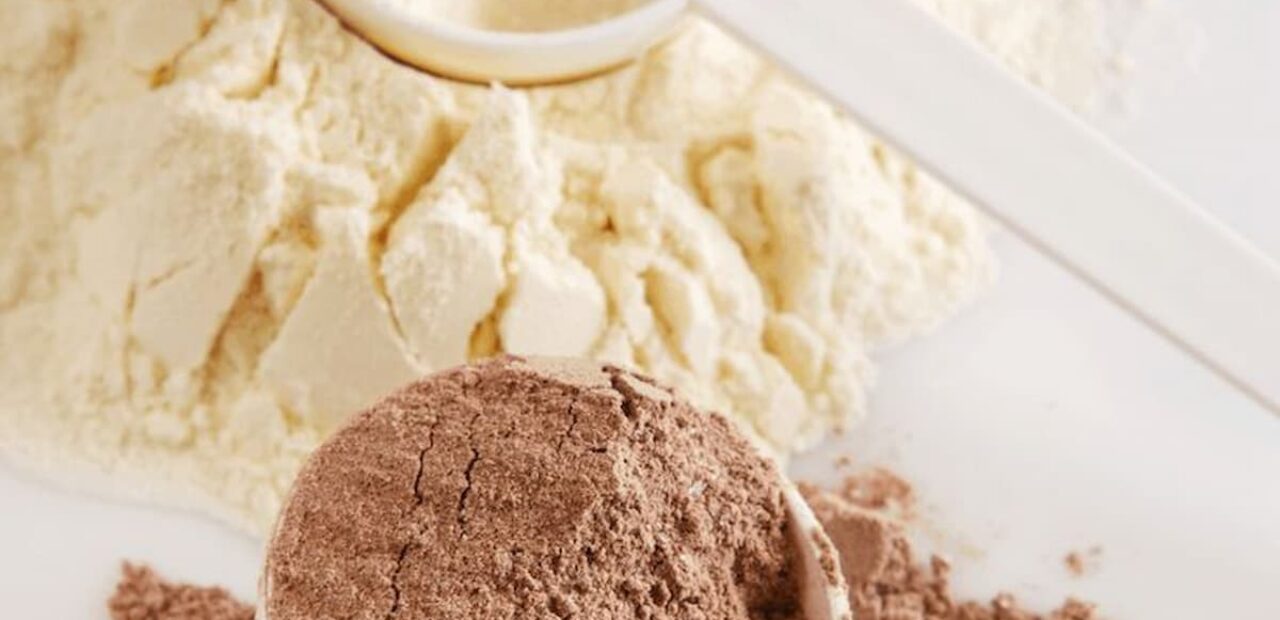
Protein Powder 101: Scoop Smarter, Not Harder
 by Thomas Jackon · Jul 9, 2025
Once upon a time, powder protein was the mysterious tub tucked away in gym bags, whispered about by bodybuilders and fitness fanatics. Fast forward to today, and it’s found its way into the kitchen cupboards of yogis, busy mums, office workers and even the occasional smoothie-sipping sceptic. From post-workout shakes to protein-packed pancakes, these once-niche protein supplements have become a pantry staple for many. But with so many choices on the shelf, how do you know which scoop is right for you?
Contents
Types of Protein Powders and Why They’re Used
Before diving headfirst into your shaker bottle, it’s worth knowing what’s inside that shiny tub. There’s no one-size-fits-all, and choosing protein powders that suit your needs can make all the difference.
1.Whey Protein
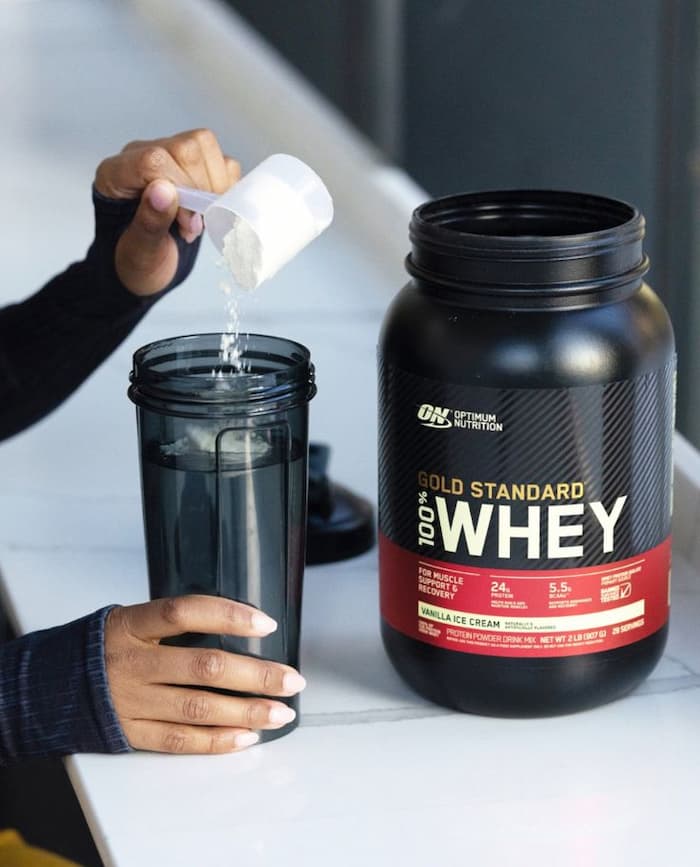
The most popular and widely available type, whey protein is a complete protein derived from milk. It’s fast-digesting, rich in essential amino acids and ideal for muscle recovery. If you’ve just crushed a workout, whey’s your best friend.
2.Casein Protein
Milk-derived casein digests much more slowly than whey. It’s great for keeping hunger at bay and is perfect as a night-time shake to support muscle repair while you snooze.
3.Plant-Based Protein
Ideal for vegans, vegetarians or those with dairy sensitivities, plant-based proteins come from sources like pea, hemp, brown rice or soy. They’re often combined to ensure a complete amino acid profile, and many are now as effective and tasty as their animal-based cousins.
4.Egg White Protein
This dairy-free option offers high bioavailability and is virtually fat-free. It’s great for people looking for a clean, lean protein supplement.
5.Collagen Protein
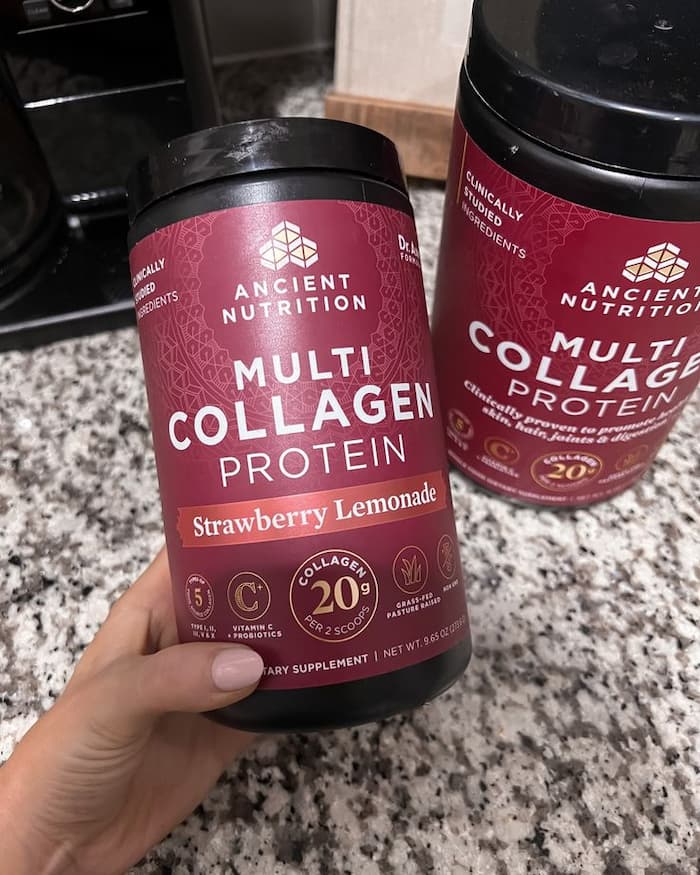
Collagen may not be the go-to for muscle building, but it’s trending for its benefits to skin, joints and hair. Think of this one more as a beauty booster than a post-gym shake. Each type serves a slightly different purpose, depending on your dietary needs and fitness goals. Whether you’re bulking, leaning out or just staying energised through your 9-to-5, there’s a protein powder made with you in mind.
Benefits of Using Protein Powders
Sure, you could get all your protein from chicken breasts and lentils—but that’s not always realistic. That’s where protein powders come in handy. Here’s why people are so smitten with the scoop:
- Muscle Repair and Growth: Protein is the building block of muscles. After exercise, your body craves amino acids to repair and build muscle tissue.
- Convenience: No time to cook? A quick shake gets the job done in seconds.
- Weight Management: High-protein diets can help reduce hunger and support fat loss. Many protein supplements are designed to keep you fuller for longer.
- Nutritional Support: Ideal for people with increased protein needs, such as athletes, pregnant women, the elderly or those on restricted diets.
When and How to Use Them?
Timing can make a difference. The good news? There’s no need to live by the stopwatch—just a few general rules of thumb will do:
- Post-Workout: This is prime time. Muscles are hungry and protein powders can help kickstart repair.
- Morning Boost: Add a scoop to your breakfast smoothie for a powerful start to your day.
- Meal Replacement: In a pinch, a shake can stand in for a meal, but aim to include some healthy fats or carbs too.
- Before Bed: Casein is especially useful here, releasing amino acids slowly while you sleep.
As for how to use them? Shakes are classic, but don’t stop there. Stir protein powders into oats, bake into muffins, or mix into yoghurt for a protein-rich snack. With a bit of creativity, your protein supplement can taste delicious.
How to Choose the Right Protein Powder for You?
Staring at shelves stacked with colourful tubs can be overwhelming. But choosing the right protein powder becomes easier when you know what you’re looking for.
1.Define Your Goals
- Muscle gain? Look for whey or a blend with a complete amino acid profile.
- Weight loss? Try a low-calorie, low-carb option with added fibre.
- Healthy ageing or beauty support? Collagen could be your go-to.
2.Consider Dietary Restrictions
- Dairy-free? Opt for plant-based or egg white protein.
- Vegan? Look for blends that combine plant sources for a complete amino acid profile.
- Gluten-free or allergen-sensitive? Read labels carefully—some brands sneak in additives or thickeners that might not agree with your gut.
3.Mind the Mixability and Taste
Let’s be real—if it tastes like chalk, you won’t use it. Look for products with good reviews on flavour and texture. A protein supplement that blends well with water, milk or food makes it far more enjoyable.
4.Check the Label
- Protein per serving: Aim for at least 20g.
- Ingredient list: The shorter and cleaner, the better.
- Additives: Watch for artificial sweeteners, preservatives and unpronounceable extras.
- Third-party testing: Always a bonus—this ensures you’re getting what the label promises.
Conclusion
Here’s the scoop: protein powders aren’t just for gym goers—they’re a convenient, effective tool for almost anyone looking to support their health and fitness goals. Whether you’re building muscle, managing your weight, or just trying to stay on top of your protein intake in a busy world, there’s a protein supplement out there for you.
Know your goals. Pick the right type. Read the label carefully. And when in doubt, consult a healthcare professional or nutritionist before starting any supplement. Armed with the right knowledge, you’ll be shaking things up with confidence. Because when it comes to protein, smarter scooping leads to better results and far tastier smoothies.