
Power Dressing Redefined: A Guide to Stylish Corporate Uniforms that Impress
 by Jennah Marshall · Jul 1, 2025
In today’s fast-paced, image-driven world, corporate uniforms matter more than ever. They do more than identify staff. They reflect a company’s professionalism, values, and brand identity. Their designs create a cohesive look, build team unity, and instil confidence in both employees and customers. If you’re about to start your own business and look for the best staff appearance that will make it thrive, the following guide breaks down the most stylish and functional corporate uniforms one can get.
Contents
Popular Corporate Uniform Styles by Industry
Level-up the appearance of your team thus praising professionalism with the finest selection of stylish corporate uniforms. Business wear has evolved beyond the traditional suit and tie, blending style, comfort, and brand identity. In today’s modern workplace, corporations prefer clean, professional styles that reflect their values while staying functional for regular wear.
Business Formal
Classic business clothes continue to be popular in more traditional areas such as finance, law, and high-level consultancy. Tailored suits, pristine white shirts, and formal dresses or skirt suits rule the scene. These uniforms communicate authority, expertise, and professionalism.
Business Casual
Tech enterprises, creative agencies, and start-ups typically favour a more casual approach so the overly formal clothing choices can step aside. Think elegant chinos, branded polos, blazers without ties, or outfits with clean lines as the preferred options. The business casual style offers a mix of professionalism and a casual, inviting appearance.
Smart Casual with Branding
Lately, many company uniforms are featuring discreet branding, such as embroidered emblems or trademark colour accents. Many corporations also have branded accessories like scarves, ties, and lapel pins. This keeps personnel looking cohesive while also keeping a polished image.
Season Adaptability
Lightweight materials for summer, layered pieces for colder months, and replaceable items are becoming the norm. Ensuring season flexibility guarantees that staff are comfortable and stylish throughout the year.
Hospitality
The hospitality industry combines style and function. Front-of-house employees frequently wear fitted suits or polished shirts with vests, whereas kitchen and cleaning employees dress in utilitarian attire such as chef coats and housekeeping uniforms. Dark, neutral colours with subtle branding are popular, emphasizing elegance and cleanliness.
Retail
Retail uniforms can range from casual polo shirts with logos to smart-casual clothes such as tailored shirts and chinos, depending on the brand’s identity. Colour coordination and branding are essential for ensuring that employees are immediately identifiable to clients.
Key Elements
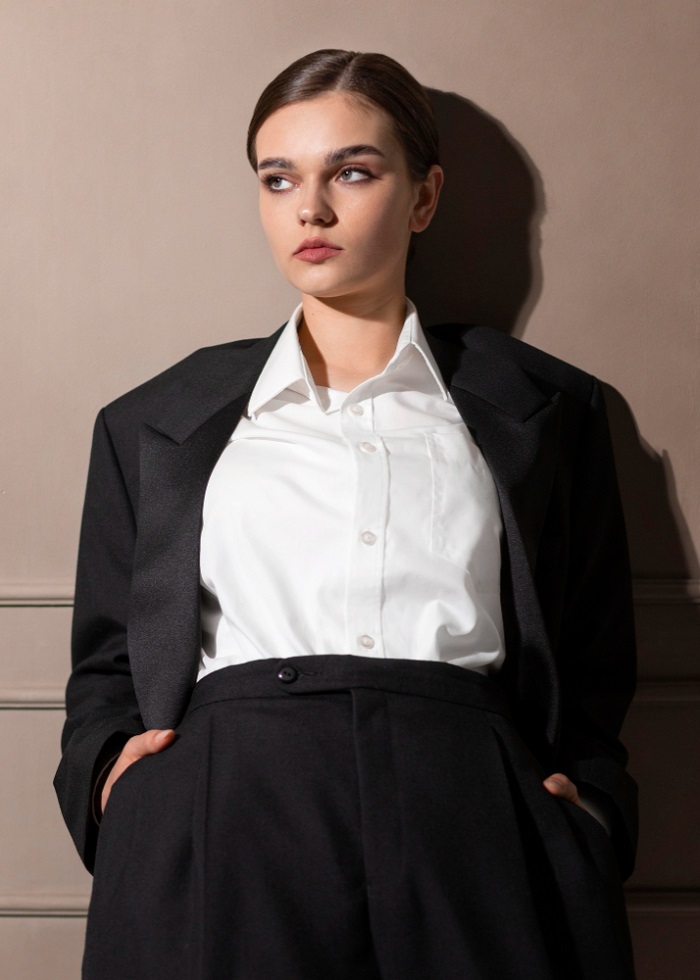
Designing effective corporate clothing entails more than simply choosing matching clothing; it involves careful consideration of several important factors that balance form, function, and company identity.
Professional Appearance
The stylish corporate uniforms should match the company’s image. Clean lines, fitted fits, and neutral or brand-aligned colours all contribute to a polished, trustworthy style appropriate for client-facing roles as well as internal professionalism.
Comfort and Fit
Employee satisfaction and productivity depend on their level of comfort. Good corporate apparel should be designed from breathable, stretchy fabrics that allow for freedom of movement. Providing gender-inclusive fits and a variety of sizes ensures that every team member feels secure and included.
Material Selection
Choosing the right fabric is crucial. High-quality materials, such as cotton blends, polyester, or performance fabrics, improve durability, breathability, and ease of care. These also help to keep the uniform’s shape and appearance throughout the day.
Functionality
Uniforms should be appropriate for the job description. Pockets for critical goods, wrinkle-resistant materials for a clean appearance, and moisture-wicking textiles for comfort throughout the workday are all a must.
Versatility
Modular pieces like blazers, vests, and layering options adapt to seasonal changes and personal preferences while retaining continuity.
Customisation
Customisation gives business uniforms a personal and professional touch, allowing companies to tailor designs to their demands and personality. This can involve choosing unique cuts, colours, or fabrics that are consistent with the brand, as well as including components such as employee names, department labels, or embroidered phrases.
The custom-made factor promotes team cohesion while allowing for individualism and position differences. It also helps your company stand out in a competitive market, transforming uniforms into more than just apparel—they become a statement. Uniforms, with the right customisation, can reflect company culture, boost morale, and offer a consistent yet adaptable appearance throughout the workforce.
Care and Maintenance Tips for Long-Term Use
Proper care and maintenance are essential for extending the life of corporate uniforms and preserving their professional appearance. Therefore, always follow the manufacturer’s washing instructions, using mild detergents and cold or warm water to prevent fabric damage. Avoid over-drying, as high heat can shrink or fade materials.
Iron or steam the apparel as needed to maintain a crisp look, and store it on hangers to prevent wrinkles. For uniforms with logos or embroidery, turn them inside out before washing to protect the detailing. Regular cleaning, prompt stain treatment, and proper storage will keep uniforms looking fresh, professional, and ready for long-term use.