5 Travel Essentials for Women on the Go
 by Jennah Marshall · Sep 9, 2026
Ever repacked a suitcase on an airport floor while a queue of strangers watched you decide which pair of shoes to sacrifice? Most women who travel often have lived some version of that, and it usually traces back to one or two pieces of gear that looked great online and then let them down at the worst possible time.
The trips that go smoothly usually come down to five essentials and the small choices around them, like where you keep your passport and how much your bag weighs before you put anything in it. Get that shortlist right once and you can pack for a week away in about 20 minutes, without lying awake at 1 am running through a mental list of what you forgot.
Contents
What Are Some Good Travel Accessories for Women?
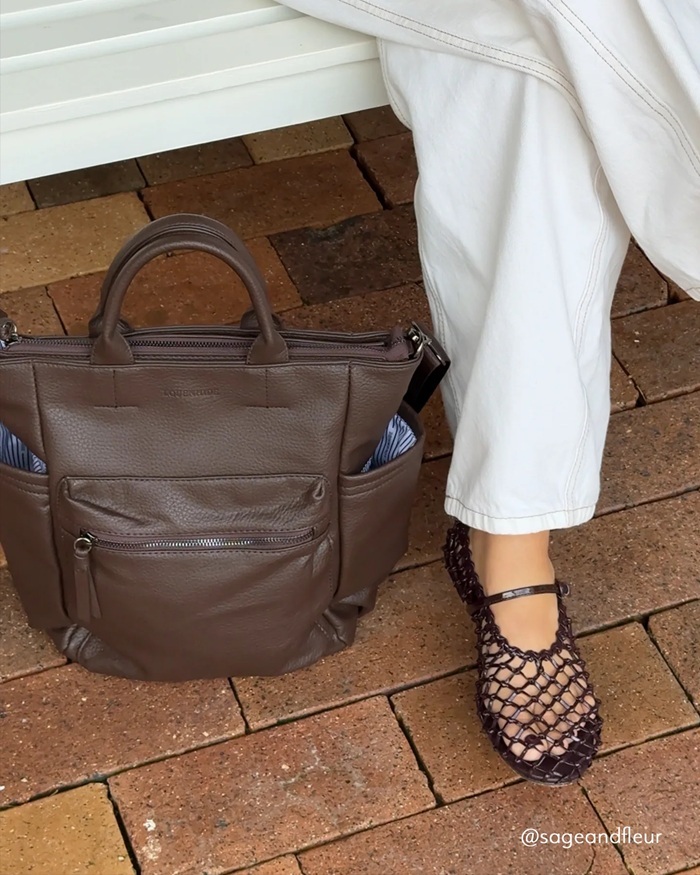
Plenty of travel gear gets marketed to everyone and then sized for a 1.85 m frame with broad shoulders. Torso length, strap width and where a hip belt lands all change how a loaded bag feels after four hours on your feet. Solo travel habits play a part too, since you want to reach your documents without putting your whole bag on the ground.
Women’s Backpacks
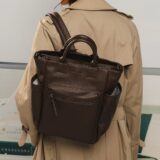
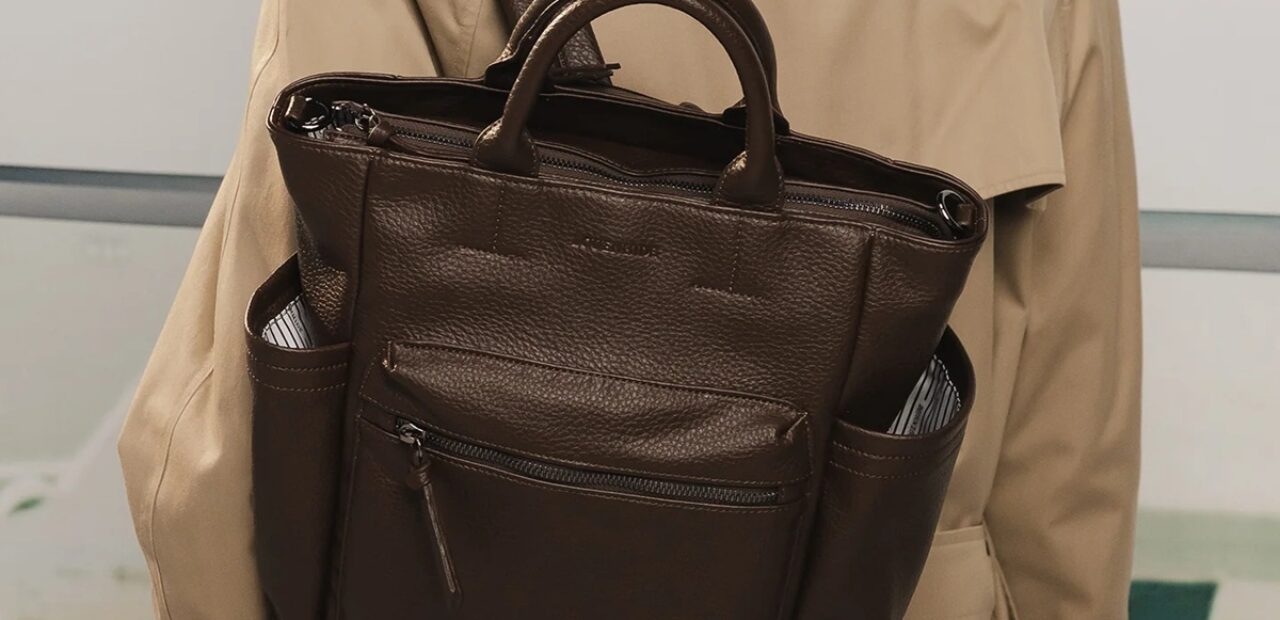
A backpack takes the weight off your hands and spreads it across your back, which matters most on cobblestones, train platforms and the long walk to gate 47. Look for a spacious and durable travel backpack for ladies with a torso fit in the 33 to 43 cm range, since most unisex packs start around 45 cm and sit too low on shorter frames. Wear a pack that runs too long for your torso and you will feel the hip belt across your ribs instead of your hip bones, which pushes the whole load onto your shoulders.
Three fit details do most of the work here. S-curved shoulder straps that angle away from your chest, a hip belt you can tighten over your hip bones rather than your waist, and load lifter straps at the top so you can pull the weight in closer to your back. Straps wider than 5 cm spread pressure better than thin webbing, and a sternum strap keeps your shoulder straps from sliding outward as you walk.
On capacity, 30 to 40 L handles most trips of up to two weeks if you pack by outfit rather than by day. Anything above 45 L usually breaks the standard cabin box of 55 x 40 x 20 cm, and a lot of airlines outside the US cap carry-on weight at 7 to 10 kg. Check the empty weight before you buy. If a pack weighs 2.2 kg on its own, you have used a fifth of a 10 kg allowance before you pack a single shirt.
Durability comes down to fabric and hardware. Look for 420D nylon or ripstop on the body, reinforced stitching where the straps anchor, and YKK zippers, since cheap unbranded ones split under a full load. With a clamshell opening, you can unzip the front all the way and see everything at once instead of digging down from the top. A few more details worth paying for: lockable zipper pulls, a laptop sleeve raised off the bottom panel so a drop does not land straight on your screen, and a trolley pass-through so you can stack the pack on a roller bag.
Before you commit to a travel backpack for ladies, load it with about 8 kg at home and walk around for 20 minutes, stairs included. You will notice hot spots at your collarbone or lower back quickly, and returning a bag is a lot easier than living with that problem on day one of your trip.
Crossbody Bags for Daytime
Adjust the strap so you can wear the bag at hip height or just above, high enough to see it without looking down. On a crowded metro or in a busy market, swing it round to the front of your body and rest your forearm over the top. A strap 2.5 cm or wider digs into your shoulder far less than a thin chain or cord, and a detachable strap lets you carry the same bag as a clutch at dinner.
Size it to what you actually carry. For most days that means a phone, a card, some cash, lip balm, keys and sunglasses, which all fit inside 1 to 2 L. Go bigger and you will fill the space with things you haul around all day and never touch. Pick a zip top over a magnetic flap, and turn the bag so the zip faces your body.
Skip the heavily marketed anti-theft claims and look at the hardware instead. A small carabiner clipped through both zipper pulls slows a casual hand more than any slash-proof panel. Split your money too: one card and a little cash in the crossbody, the rest back in your room. Neutral colours draw less attention than a logo-covered bag, and they go with more of what you packed.
Packing Cubes
Give every cube one job. Tops in one, bottoms in another, underwear and socks in a third, and you can grab exactly what you want at 6 am in a dark hotel room without emptying the whole bag. For a 35 to 40 L backpack, three medium cubes and one small pouch cover most trips.
Compression cubes with a second zipper push the air out and cut the volume of soft clothing by around 30%. They do not reduce weight, so if your airline caps you at 7 kg, cubes buy you room rather than a lighter bag. Use them on cotton tees, knitwear and pyjamas. Keep linen shirts and anything tailored flat in a separate cube or a garment folder, because you will not find an iron in most hostels to fix deep creases.
Two more habits pay off. Pack shoes sole to sole in a drawstring bag and slot them along the spine of the pack, where the weight rides closest to your back. Then leave one cube empty on the way out and fill it with dirty laundry on the way home, which keeps damp gym clothes away from your clean pile and saves you carrying a separate bag.
Toiletry Kits
Airports still cap liquids at 100 ml per container inside one transparent bag of about 1 L, and the size printed on the bottle counts, not how much you left in it. Decant into 60 ml silicone bottles, squeeze the air out before you screw the cap on, and pressure changes in the hold will not push product everywhere. A layer of cling film under each cap adds a second seal for oils and foundation.
Solid formats free up room in that little bag. Shampoo bars, toothpaste tablets, solid perfume and cream deodorant all go in your suitcase with no liquid allowance at all. That leaves your 1 L bag for the products you cannot swap out, like liquid foundation or contact lens solution.
Choose a kit with a hook on it. Hotel and hostel counters run out of space fast, and hanging your kit on the back of the door gives you a shelf where none exists. Pack two weeks of period products even for a five-day trip, since brands and formats vary a lot from country to country, and a pharmacy hunt on arrival costs you an afternoon. Keep prescription medication in its labelled box and save a photo of the prescription on your phone.