Men’s vs Women’s Golf Clubs: What’s the Real Difference?
 by Jennah Marshall · Jun 9, 2026
There’s a common idea in golf that anything labelled “women’s clubs” is automatically the right fit for every female player, but that’s not how it works. Golf equipment is far more individual than simple gender labels suggest. I started out using men’s clubs when I was younger, and I quickly noticed a big difference in how my shots behaved. When I switched to a ladies’ flex shaft, my drives tended to fly too high and drift off-line. Moving to a firmer shaft changed everything. My shots became lower, more controlled, and carried further with a much more stable flight. Beyond colour and lighter aesthetics, the real differences between men’s and women’s equipment come down to design details like shaft flexibility, weight distribution, loft, and hidden engineering inside the clubhead.
How Heavy are They?
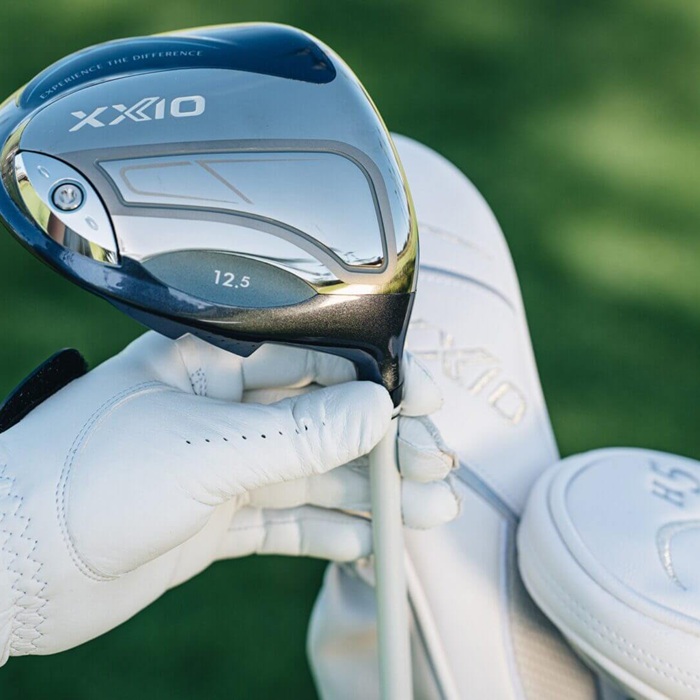
Why are women’s golf clubs different? One of the biggest differences is that lightweight womens drivers bring the overall weight down quite a bit. This makes the piece much easier to swing at a good speed for most women. But even if you’re a strong, athletic woman, that doesn’t always mean you should jump straight into heavier men’s gear. Many women perform better with gear that stays relatively light but has a slightly stiffer flex, whether that’s regular or senior flex.
To keep the weight down, most women’s golf drivers come with graphite shafts. Graphite is a fantastic material for this because it’s much lighter than steel, which usually helps generate more speed and extra distance. That said, a lot of men’s clubs are also moving toward graphite these days, although many serious players still prefer the solid feel and consistency that steel shafts provide.
If you’re a stronger female golfer with a faster swing speed, you might even do well with a custom setup. For example, taking a lightweight steel shaft from a men’s club and pairing it with women’s-length irons. This can give you the best of both worlds: control and a lower launch while keeping the piece manageable.
How Long are They?
Another major difference between men’s and womens drivers is the length. Clubs are typically built around average heights, about 1.74cm for men and 170cm for women. Because of this, women’s designs are usually around three-quarters to a full inch shorter than men’s options. If you’re close to that average height of 170cm, standard women’s designs will often work perfectly well. However, if you’re quite a bit shorter, especially under 160cm, you’ll probably feel more comfortable with an even shorter shaft, usually about 2.5cm shorter than standard women’s length.
On the flip side, taller women who are 174cm or above often do better with men’s standard-length clubs or a senior flex shaft in a men’s length. Here’s why length matters so much: If an average-height woman tries to swing men’s clubs, they usually feel far too long and heavy. This makes it much harder to generate good clubhead speed, which means you lose both distance and control. Men’s equipment is also built with a more upright lie angle to suit their typically taller frames and longer arms.
Lie Angle
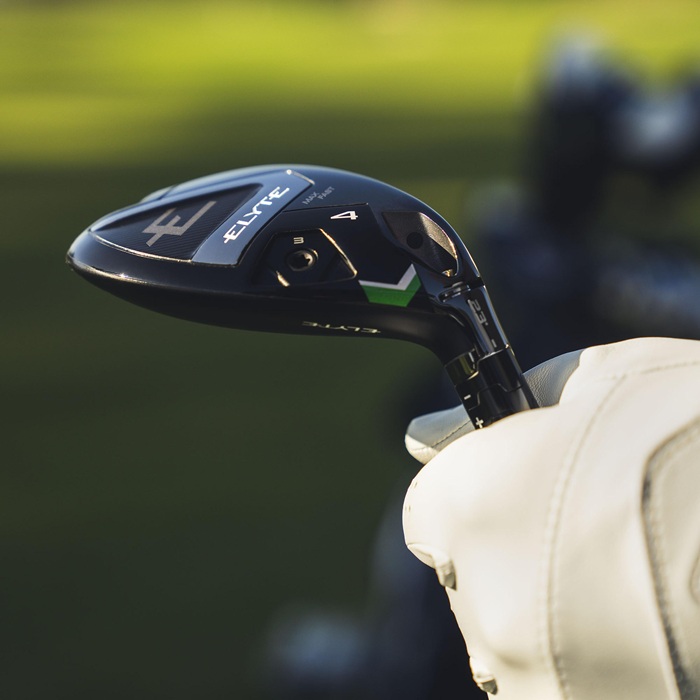
Another important difference between a men’s and a women’s golf driver is the lie angle, which is the angle at which the clubhead sits on the ground when you address the ball. Because men are generally taller, their equipment is built with a more upright lie angle. As a rule of thumb, for every extra 1.2cm in length, the piece becomes about one degree more upright. That works great for most men, but it can create real problems for the average woman.
If you’re around average female height and try using men’s gear, the lie angle is often too upright for you. This can cause you to pick up the piece too steeply on the backswing and not rotate your body enough. On the downswing, it often leads to a steep, chopping motion and an out-to-in swing path. The result? A lot of sliced or cut shots and a noticeable loss of distance.
Shaft Kick Point
A low kick point (closer to the clubhead) helps the shaft release more easily, producing a higher ball flight. A high kick point (closer to the grip) keeps the ball flight lower, while a mid-kick point sits somewhere in between. Women’s golf club drivers are typically designed with a low kick point. This helps generate more height and carry, which many women find helpful for better distance. Most standard women’s equipment also comes with very light L-Flex shafts, often around 40 grams, making them easier to swing.
Loft and Grip
Women’s golf drivers generally have more loft, especially in the woods and driver. Since most women generate lower clubhead speed, that extra loft helps launch the ball higher and carry it farther. For example, while a standard men’s driver usually sits between 9° and 10.5°, a women’s driver is typically around 12°. The same thinking applies to irons.
Grip size is another big factor. Because women’s hands are generally smaller, women’s equipment comes with noticeably thinner grips. Using the right grip size helps you maintain proper hand position and consistent pressure through impact. If the grip is too thick (like a standard men’s grip), it can be difficult to release the handle properly, often leading to weak slices and lost distance.