

How to Start Learning the Cello: What Beginners Should Know
 by Thomas Jackon · Jan 20, 2026
Few instruments sound as expressive and human as the cello. Its deep, warm tone has a way of drawing you in, whether you hear it in a film soundtrack, an orchestra, or a solo performance. If you’re thinking about learning, you’re choosing an instrument that offers both emotional depth and musical versatility. Many beginners feel drawn to a cello because it can sound powerful one moment and gentle the next, all while feeling surprisingly natural to play once you get started.
At the beginning, it’s easy to feel unsure about where to start. Size, posture, technique, and practice habits can all seem like big decisions. The good news is that with a clear starting point and a little patience, learning the cello can feel far less intimidating and far more enjoyable than you might expect.
Contents
Getting to Know the Cello Before You Play
Before you pick one up, it helps to understand how it works and how it fits into the world of music. The cello is a bowed string instrument played while seated, with the body resting between your knees and supported by an adjustable endpin that reaches the floor. This position gives you stability and allows your arms to move freely.
This instrument covers a wide musical range. Its four strings let you play deep, resonant notes as well as lyrical melodies, which is why it plays such an important role in ensembles. You’ll often hear it providing warmth and depth, but it also shines as a solo voice. Understanding this versatility early on helps you appreciate what you’re learning and why technique matters so much.
Choosing the Right Cello Size So Playing Feels Natural
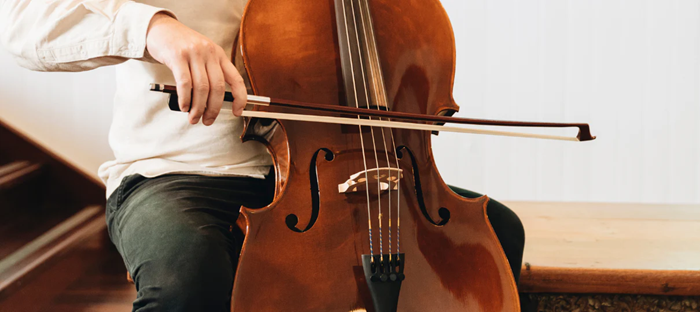
One of the most common questions is “How to pick the right size cello?” This decision affects everything from comfort to technique, so it’s worth getting right from the start. When the cello fits you properly, your body can relax, and learning feels smoother and more enjoyable.
Cellos are available in full size (4/4) and smaller fractional sizes. The goal is to sit comfortably with your feet flat on the floor, your knees gently supporting the instrument, and your left hand able to reach around the neck without stretching. When your body aligns well with the instrument, you avoid unnecessary tension and reduce the risk of developing bad habits.
Many beginners start by renting, which gives you flexibility as your confidence grows. When exploring new or used cellos, focus on playability rather than appearance. A well-adjusted instrument with smooth string action will make learning far easier and far more rewarding.
Setting Yourself Up Correctly From Day One
Once you have the right instrument, the correct setup becomes your foundation. Start by adjusting the endpin so the top of the cello rests comfortably against your chest. The instrument should lean slightly towards you, not away, allowing you to stay balanced without gripping.
Sit tall but relaxed. You don’t need stiffness to play well — in fact, tension makes everything more difficult. Keep your shoulders loose and let your arms hang naturally. When you hold the bow, aim for control without squeezing. A relaxed hand produces a far better sound than a tight one.
Your left hand should feel equally natural. Rest your thumb lightly behind the neck and allow your fingers to curve onto the strings. These small adjustments may seem simple, but they shape how comfortably you play and how quickly you progress.
Learning the Basics Without Overthinking It
In the early stages, your focus stays on sound and coordination. Playing open strings helps you understand how the bow interacts with the strings and teaches you how pressure and speed affect tone. A smooth, steady sound matters far more than volume.
You’ll also begin reading music written in bass clef. At first, it may feel unfamiliar, but regular exposure makes it manageable very quickly. Simple scales and beginner pieces introduce finger placement and help you build confidence across the fingerboard.
As a cello instrument, it responds beautifully to careful listening. When you focus on the quality of each note, you develop musical awareness alongside physical technique, which keeps practice interesting and engaging.
Building a Practice Routine That Actually Works
Effective practice doesn’t need to be long or exhausting. What matters most is consistency and focus. A short daily session builds progress far more reliably than an occasional long one.
Start each practice session with something familiar to warm up your hands and settle into the instrument. Then move on to new material while your concentration is fresh. Listen closely as you play — the cello rewards small adjustments, and learning to hear those changes helps you improve faster.
It’s also important to be kind to yourself. Progress rarely happens in a straight line. Some days feel easier than others, and that’s a natural part of learning. When you notice even small improvements, you reinforce motivation and keep the process enjoyable.
Bringing It All Together
Learning the cello starts with understanding the instrument, choosing the right size, and setting yourself up for comfort and confidence. When you focus on good posture, relaxed technique, and thoughtful practice, everything else builds naturally. With time, patience, and curiosity, the cello becomes less of a challenge and more of a companion — an instrument that grows with you and rewards every bit of effort you put into it.