Getting Started with Knitting: Your Essential Beginner’s Toolkit
 by Jennah Marshall · May 15, 2025
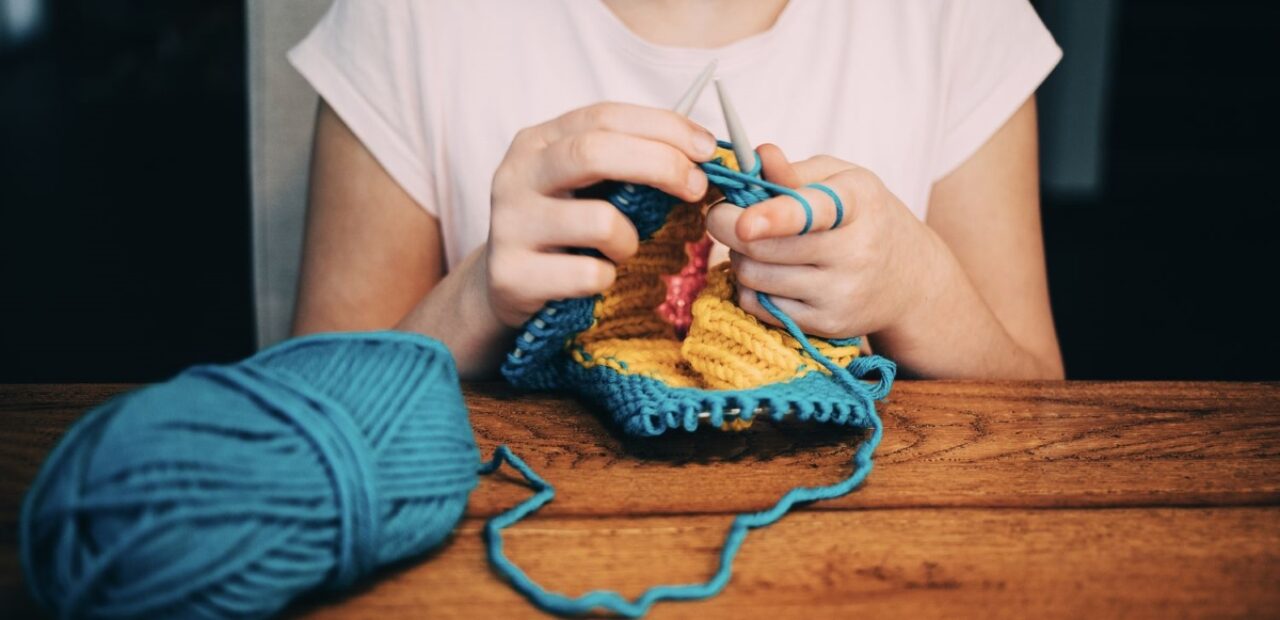
Knitting is more than just a pastime. It’s a rewarding and accessible craft that invites creativity, focus and calm into your daily routine. Whether you’re drawn in by the soothing rhythm of stitches or the idea of gifting a handmade scarf, knitting offers instant satisfaction as your project grows, row by row, under your fingertips. Best of all, getting started doesn’t require an elaborate setup, just a few key tools and a little curiosity. Let’s walk through the essentials every beginner needs to start their knitting journey with confidence.
The Needles

When it comes to knitting, your needles are your main companions. Choosing a sturdy and sharp-pointed needle for knitting makes a huge difference in your learning experience, comfort level and project success.
Understanding Knitting Needle Types
There are several types of needles for knitting, and each serves a slightly different purpose. For beginners, the most common starting point is straight needles. These are a pair of long, straight rods with a point on one end and a stopper on the other. Straight needles are ideal for knitting flat projects like scarves, dishcloths or rectangular blankets. They’re easy to use and great for mastering basic stitches.
The circular needle for knitting offers a different setup. It consists of two short needle tips joined by a flexible cable. Don’t be fooled by the design. Circular knitting needles can be used for both flat and in-the-round projects. They’re perfect for hats, cowls and even sweaters. Plus, they distribute weight more evenly and reduce strain on your wrists, which can make longer sessions more comfortable. Many beginners eventually prefer circulars, even for flat knitting.
Double-pointed needles (DPNs) come in sets of four or five and are used primarily for knitting small tubes in the round, such as sock toes, glove fingers or hat crowns. While they’re not typically a beginner’s first tool, they’re worth knowing about as your skills expand.
Choosing the Right Needle Size
Needle size matters. It affects your stitch size which in turn affects the fit and feel of your finished project. Knitting needle sizes are labelled using both US numbers and millimetres. For example, a US size 8 needle is equivalent to 5 mm. Most beginner-friendly yarns work well with medium-sized needles. US size 8 (5 mm) or 9 (5.5 mm) is a safe starting point. These sizes are comfortable to hold, and they produce stitches large enough to see clearly, which makes learning easier.
Needle Materials
Needles come in a variety of materials, each with its own properties. Metal needles are smooth and fast, allowing stitches to glide easily. They’re great for speed but might be too slick for those still learning to control tension. Bamboo or wooden knitting needles for sale provide more friction, which helps keep stitches from slipping. This extra grip can be comforting for beginners and is especially helpful when working with slippery yarns. Plastic needles are lightweight and affordable. Some are smooth, while others may have rough joins that snag the yarn. Their quality can vary, so choose carefully if you go this route.
Tips for Beginner Needle Selection
Start simple. Pick up a pair of straight or circular needles in a medium size, like US 8 or 9. Match your needle size to your yarn’s label recommendation. There’s no need to buy a full set right away. Just get what you need for your first project. As your skills grow, your collection will naturally expand.
The Yarn
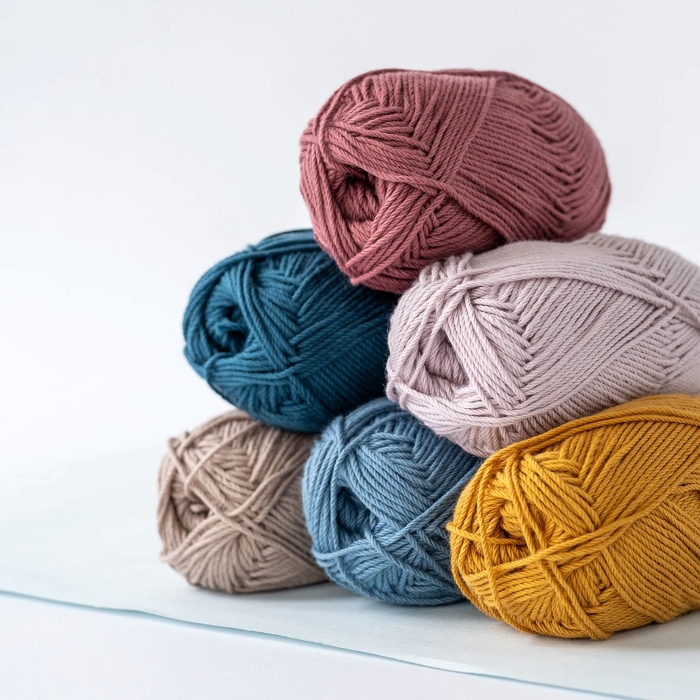
Yarn is where colour, texture and creativity come into play. But first, you need to know a few yarn basics to make smart choices as a beginner.
Understanding Yarn Weights
Yarn comes in different thicknesses known as weights. Worsted weight yarns are the sweet spot for beginners. They’re easy to see, handle and work up relatively quickly, making them ideal for learning.
Fibre Types for Beginners
Acrylic yarn is a beginner’s favourite. It’s budget-friendly, machine washable and comes in every colour imaginable. It’s also forgiving if you need to rip out stitches and start over.
Wool yarn offers great stitch definition and elasticity, making it easier to produce even stitches. However, it may require handwashing. Cotton yarn is strong and breathable, perfect for washcloths and summer items. It can be less forgiving if your tension fluctuates, but it’s still an excellent choice for simple projects.
Colour and Texture
When starting out, choose a light or medium-coloured yarn. Dark shades can make it hard to see your stitches, while novelty yarns with fuzz or texture can snag easily and hide your progress. Stick to smooth, plied yarns in solid colours for best results.
Buying Your First Yarn
Start small. Grab one or two skeins to make a scarf, dishcloth or swatch. Read the yarn label for recommended knitting needle size, fibre content and care instructions.
The Supporting Cast
You don’t need a toolbox full of gadgets to start knitting, but a few simple accessories make the journey easier:
- Scissors: Small and sharp for trimming yarn ends.
- Tapestry needle: Also called a yarn needle, this blunt-tipped tool is used to weave in loose ends.
- Stitch markers: These help you mark important spots like the beginning of a round or a pattern repeat.
- Row counter: Useful for tracking how many rows you’ve knitted.
- Measuring tape: Essential for checking project size or gauge.
- Gauge swatch: Before starting a project, knitting a swatch helps ensure your stitch size matches the pattern’s expectations.
Optional but Helpful Tools
- Needle gauge: A handy tool for identifying mystery needles in your stash.
- Cable needle: Used for crossing stitches when making cables.
- Point protectors: Rubber tips to keep stitches from slipping off when your project is set aside.
- Project bag: Keeps everything neat and portable.
Getting Started
Your first project should be fun and stress-free. A garter stitch scarf is perfect for mastering basic technique. Look for beginner-friendly patterns online or in books that include clear instructions and simple construction. Knitting is just one of many rewarding hobbies for the creatively inclined, offering a tangible and satisfying way to express your artistic side.
With your chosen yarn, your just-right needle and a few supportive tools, you’re ready to cast on. Mistakes are part of the process, and every dropped stitch is just another step toward improvement. Knitting is a skill that grows with every row you complete. Start with the basics, be patient with yourself and soon you’ll be wrapping yourself in something handmade and full of heart.