Making Numbers Fun: How Math Learning Games Help Children Build Confidence and Skills
 by Jennah Marshall · Aug 26, 2026
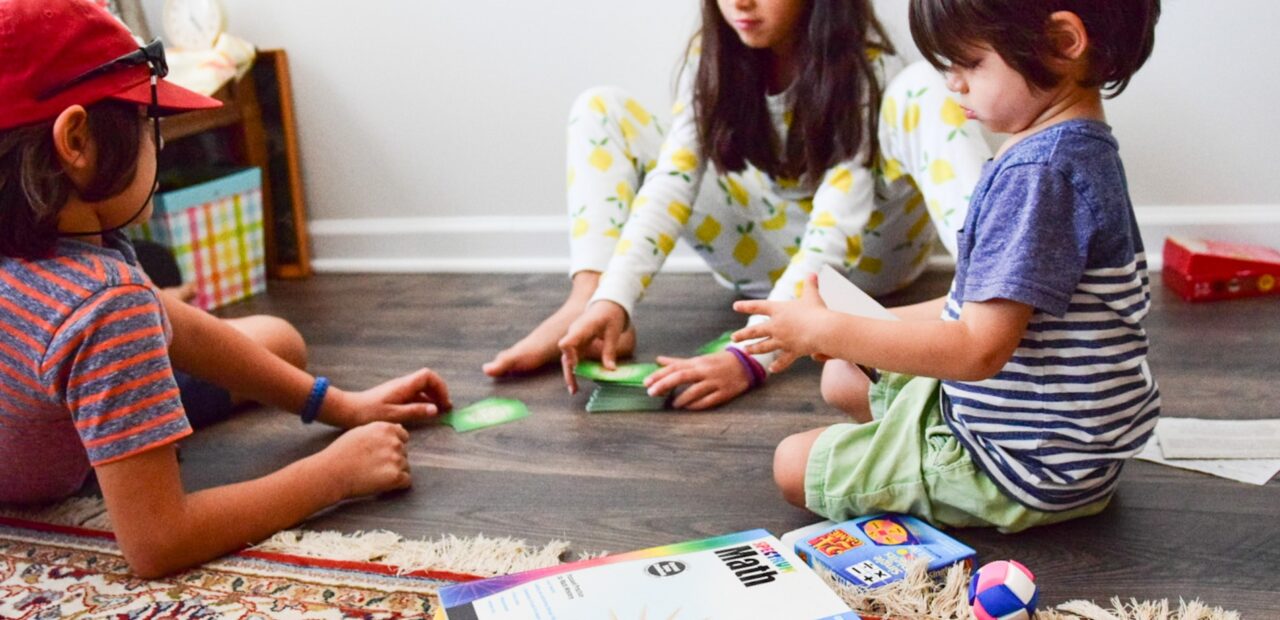
Helping children enjoy maths isn’t always easy. Some children naturally gravitate towards numbers, while others lose confidence the moment a worksheet lands on their desk. Parents and educators often face the same challenge: how do you make maths feel exciting instead of intimidating?
One of the most effective ways is to turn learning into play with the right aids. When children solve puzzles, roll dice, build patterns or race to complete a challenge, they’re practising important maths concepts without feeling like they’re sitting through another lesson because they’re not the typical teaching aids. Play encourages curiosity, celebrates small wins and gives children the freedom to learn through trial and error.
That’s why games have become such a valuable learning tool. Rather than simply memorising facts, children explore ideas, think creatively and develop problem-solving skills in a relaxed environment. As their confidence grows, they’re often more willing to tackle new concepts and keep trying when something feels difficult.
Contents
The Skills Children Develop Through Learning Games
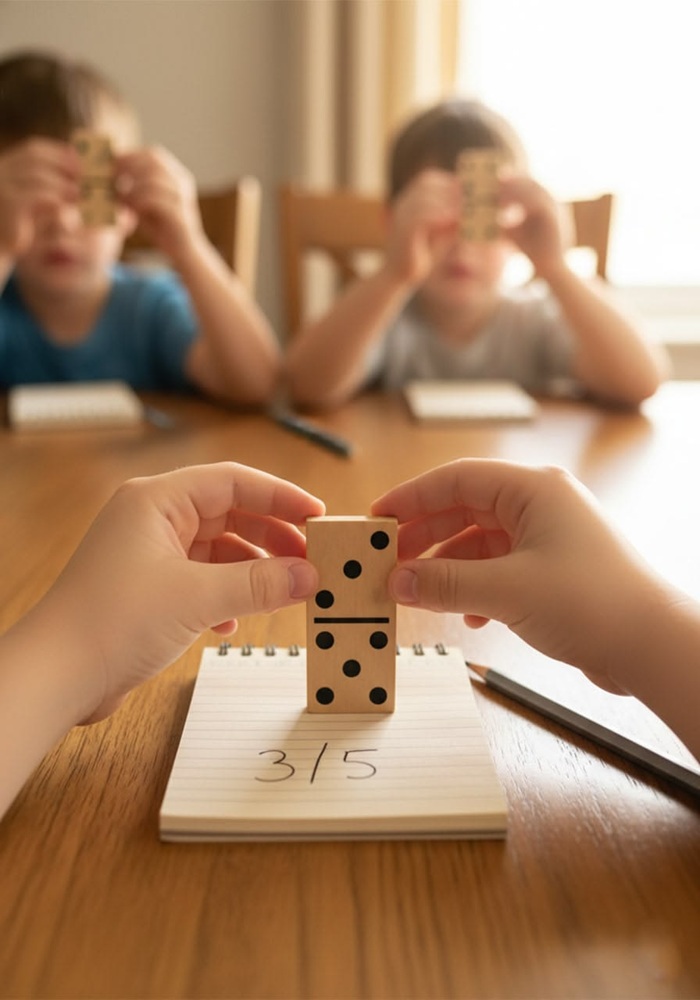
Children learn best when they’re actively involved, and fun math learning games encourage them to participate instead of simply listening or watching. Every roll of the dice, matching activity or number puzzle invites them to think, make decisions and discover solutions for themselves.
One of the first skills children strengthen is number confidence. Counting, recognising numbers and understanding simple calculations become much more enjoyable when they’re woven into a game. Instead of repeating the same exercises, children practise these concepts naturally as they play.
Games also encourage logical thinking. Many activities ask children to spot patterns, compare numbers or decide on the best strategy to reach a goal. These moments help them build reasoning skills they’ll use well beyond maths lessons.
Problem-solving develops just as naturally. Children learn to test ideas, adjust their thinking when something doesn’t work and celebrate the satisfaction of finding the right answer. Because mistakes are simply part of the game, they’re often more willing to persevere than they would be during traditional classroom tasks.
Many games also support:
- Mental arithmetic and number fluency.
- Memory and concentration.
- Strategic thinking.
- Spatial awareness.
- Communication and teamwork during group play.
Perhaps most importantly, children begin to see maths as something they can succeed in. Every challenge they complete builds confidence, making them more willing to tackle new ideas both inside and outside the classroom.
Choosing the Right Math Games for Different Learning Stages
Children’s learning needs change quickly, so the games that capture their attention at one age may no longer challenge them a year later. Choosing activities that match their current stage helps keep learning enjoyable while gradually introducing new skills.
For younger children, simple games that involve counting, sorting, colours and shapes provide an excellent starting point. These early experiences help build familiarity with numbers while encouraging curiosity through hands-on play.
As children become more confident, games can introduce addition, subtraction, measurement, sequencing and early multiplication. Activities that combine movement, matching or friendly competition often keep children engaged for longer than traditional worksheets.
Older primary school students usually enjoy games that encourage strategic thinking and multi-step problem-solving. Board games, card games and logic puzzles challenge them to apply their knowledge in new situations while strengthening their understanding of more advanced concepts.
When choosing games, it’s worth thinking beyond age recommendations alone. Every child develops at their own pace, and selecting activities that match their confidence level often leads to a more positive learning experience.
Look for games that:
- Encourage active participation rather than passive observation.
- Offer opportunities to solve problems independently.
- Can be adapted as skills improve.
- Balance learning with genuine enjoyment.
- Invite children to play again and again.
When learning feels rewarding instead of stressful, children are far more likely to stay engaged.
How Educators Can Use Math Games in the Classroom
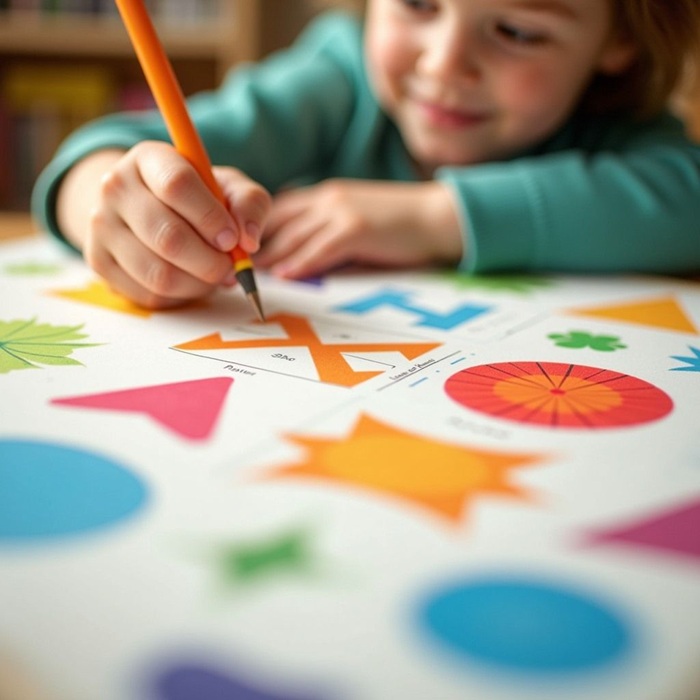
Games can become much more than an occasional reward. Used thoughtfully, they can support everyday teaching while helping children practise new concepts in meaningful ways.
Many teachers use math learning games as warm-up activities before introducing a lesson. A quick number challenge or matching activity captures students’ attention and encourages them to start thinking mathematically from the beginning of the class.
Games also work well during small-group learning. While one group completes independent work, another can explore a maths concept through a teacher-guided activity. This allows children to ask questions, explain their thinking and learn from one another in a more relaxed setting.
They can also help reinforce concepts that students have already learned. Revisiting skills through games keeps knowledge fresh without relying on repetitive worksheets, making revision feel much more enjoyable.
Classroom games offer valuable opportunities to develop social skills too. As children take turns, explain strategies and work together, they strengthen communication, cooperation and respectful problem-solving alongside their mathematical understanding.
Perhaps one of the greatest advantages is that games allow teachers to observe learning in action. Watching how students approach challenges often provides valuable insight into what they understand, where they need support and how they think through problems.
Why Hands-On Maths Activities Create More Confident Learners
Confidence doesn’t appear overnight. It grows through repeated experiences where children feel capable, supported and encouraged to keep trying.
Hands-on activities help remove some of the pressure that children often associate with maths. Instead of worrying about getting every answer right straight away, they focus on exploring, experimenting and learning through experience.
This approach encourages children to become active participants rather than passive learners. They move pieces, build shapes, count objects, compare quantities and physically interact with mathematical ideas, making abstract concepts easier to understand.
The benefits extend beyond academic achievement. Children who enjoy learning maths often become more resilient when faced with difficult questions because they see challenges as opportunities rather than obstacles.
Parents can support this confidence at home by making maths games part of everyday life. Counting ingredients while baking, comparing prices during shopping trips or playing number-based board games all help reinforce classroom learning in enjoyable ways.
Over time, these small experiences add up. Children begin to recognise patterns more quickly, approach problems with greater confidence and develop a healthier attitude towards learning maths.