
The Ultimate Guide to 1:18 Model Cars for Collectors
 by Thomas Jackon · Jul 22, 2026
Some collectables never go out of style, and 1:18 model cars are a perfect example. Car enthusiasts often want more than a simple toy or display piece; they want a detailed replica that captures the spirit of the real vehicle. That’s exactly why 1:18 scale models remain so popular. Large enough to showcase impressive details yet compact enough to display easily, these models strike the perfect balance between realism and practicality.
Types
Whether you appreciate vintage motoring, high-performance machines, or racing legends, expand your collection with well-made, intricately detailed diecast 1 18 model cars. The wide range means there is something for virtually every type of collector.
Classic and Vintage Cars
Classic and vintage models celebrate some of the most iconic vehicles ever produced. These replicas often feature timeless styling, chrome detailing, and interiors that capture the character of cars from decades past. They appeal to collectors who appreciate automotive history and enjoy displaying vehicles that represent important eras of car design and engineering.
Muscle Cars
Muscle car replicas are particularly popular thanks to their bold styling and powerful reputation. Featuring aggressive body lines, large engines, and distinctive paintwork, these models bring some of the most recognisable performance cars into miniature form. They are a favourite among enthusiasts who admire raw power and classic performance engineering.
Supercars and Hypercars
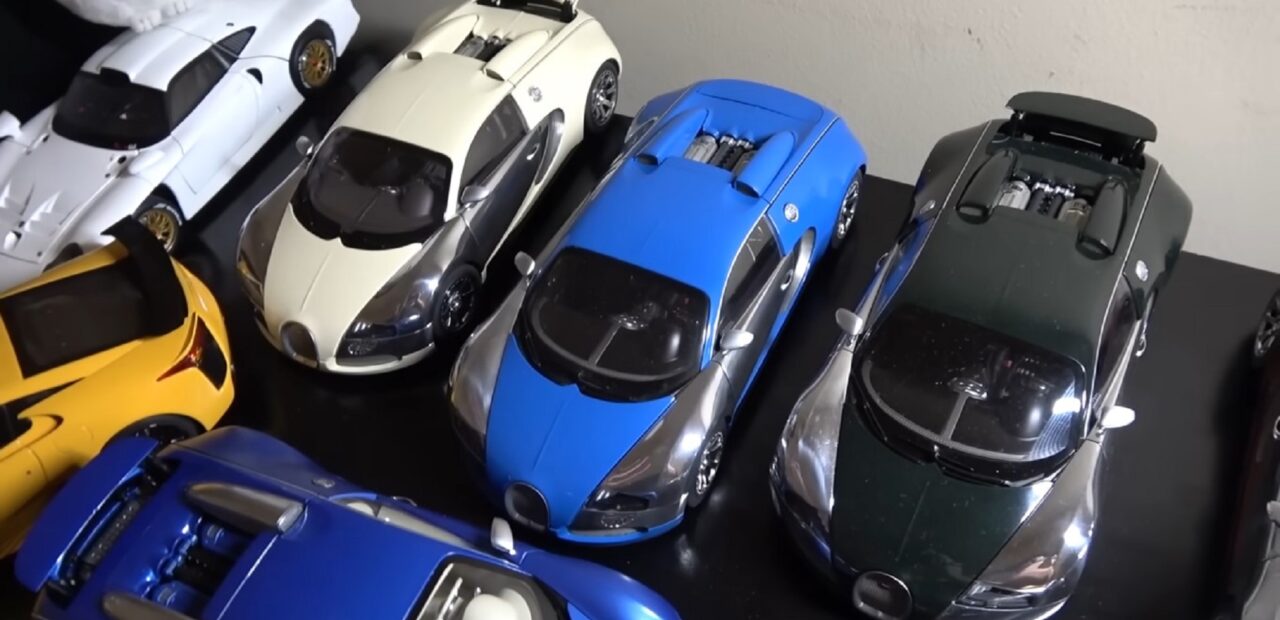
For those who dream of exotic vehicles, supercar and hypercar models offer an opportunity to own scaled versions of some of the world’s most desirable machines. These replicas often showcase aerodynamic designs, intricate interiors, and impressive attention to detail. They are popular display pieces due to their striking appearance and association with speed and luxury.
Racing and Motorsport Cars
Motorsport-inspired models recreate famous race cars from various competitions and eras. Many feature authentic racing liveries, sponsor decals, and competition-specific details that make them highly desirable among motorsport fans. These models allow collectors to celebrate memorable racing moments and legendary drivers.
Modern Performance Cars
Modern performance cars combine contemporary styling with advanced engineering, making them a growing segment in the diecast market. These replicas often feature current sports coupes, high-performance sedans, and limited-edition road cars that appeal to collectors who follow today’s automotive trends.
Movie and Television Cars
Some 1:18 scale diecast cars replicate famous vehicles from films and television series. These models hold strong appeal because they combine automotive enthusiasm with pop culture nostalgia. For many collectors, owning an iconic screen car is just as exciting as collecting a real-world classic.
Limited Edition and Collector Models
Limited-edition releases are produced in smaller quantities, making them highly sought after. These models often feature exceptional craftsmanship and unique details that increase their collectability. Enthusiasts frequently seek these releases to add rare and distinctive pieces to their collections.
Materials Used

The materials used in diecast 1:18 model cars play a major role in their appearance, durability, and overall collectability.
Die-Cast Metal
Die-cast metal is the most commonly used material in 1:18 model cars and is largely responsible for their premium feel. Made primarily from zinc alloy, this material provides durability and a satisfying weight that gives the model a more realistic feel. Die-cast construction also allows manufacturers to create detailed body panels, realistic contours, and precise finishes that appeal to collectors. Because of its strength and longevity, die-cast metal is a popular choice for display models designed to last for years.
Plastic Components
Although the main body is often made from metal, many parts of a 1:18 model car are produced using high-quality plastic. Components such as interiors, dashboards, mirrors, spoilers, and engine details are typically crafted from plastic because it can be moulded into intricate shapes with remarkable precision. This allows manufacturers to include fine details that enhance the model’s realism.
Rubber and Acrylic Materials
Rubber is commonly used for tyres, giving the model a more authentic appearance and texture. Acrylic materials are often used for windows, headlights, and display cases because they provide excellent clarity and durability. The combination of these materials helps create highly detailed replicas that closely resemble their full-sized counterparts, making 1:18 cars both impressive display pieces and treasured collectables.
Level of Detail
One of the standout features of 1:18s is their impressive level of detail. Their larger scale allows manufacturers to recreate many of the elements found on full-sized vehicles, making these models highly appealing to collectors and automotive enthusiasts. Intricate grilles, realistic headlights, detailed dashboards, and accurately reproduced wheels all contribute to a more authentic appearance.
Many models also include functional features such as opening doors, bonnets, and boots, revealing carefully designed interiors and engine bays. Fine details like stitching on seats, instrument panels, and manufacturer badges further enhance the realism and showcase the craftsmanship involved in their production.
Display Space
Before purchasing a 1:18 car, it’s important to consider the amount of display space available. These models are significantly larger than smaller-scale collectables, allowing for impressive detail but also requiring more room to showcase properly. A growing collection can quickly occupy shelves, cabinets, or display cases, so planning helps prevent overcrowding and keeps each model visible.
Adequate spacing also protects the models from accidental damage. Placing cars too close together can increase the risk of scratches, chipped paint, or broken accessories when moving or cleaning them. Many collectors choose dedicated display cabinets or shelving units to keep their models organised and protected from dust. Considering display space before adding new pieces to a collection ensures that each model can be appreciated fully.