How to Choose a Recovery Winch: A Beginner’s Guide
 by Thomas Jackon · Jun 16, 2025
Whether you’re stuck in mud, sand, or snow, with the use of a strong cable and a motor or hand crank, you can pull your vehicle out of trouble. A winch is the solution you should be after in this case, and also one of the most important pieces of recovery equipment you can have.
Read more: How to Choose a Recovery Winch: A Beginner’s GuideIt mounts to your 4×4 with the help of brackets and, by winding its cable, it gives you the pulling power necessary to get your vehicle moving again. If you’re looking for a proper recovery winch for sale or want to know more about off-road winches, you should first take into consideration the different types there are.
Contents
Types of Winches
Electric
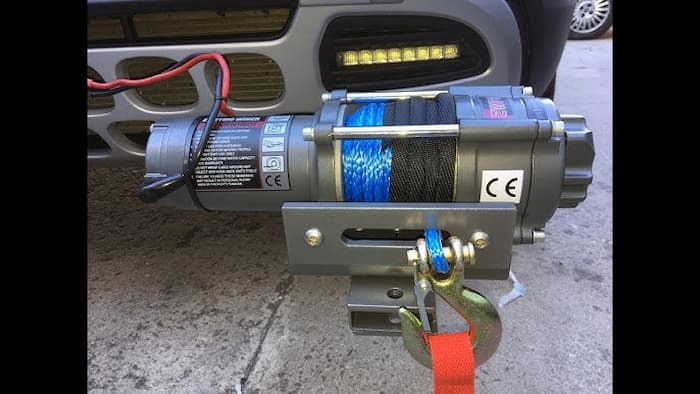
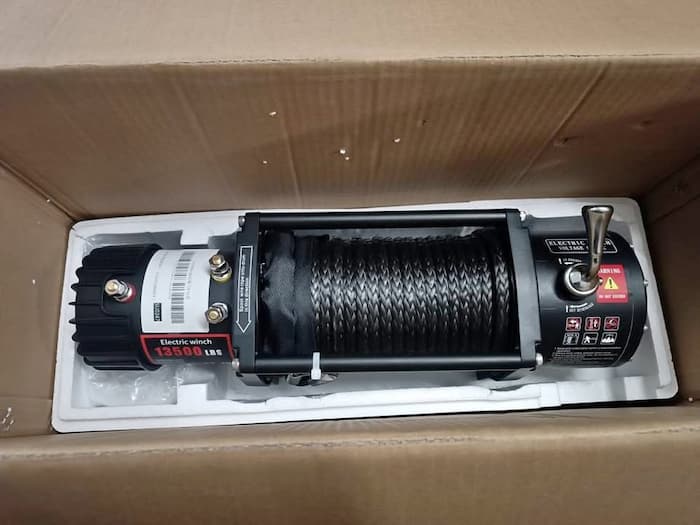
Electric winches are the most common type found on modern 4WDs and off-road vehicles. They use your vehicle’s battery to power an electric motor, which turns the winch drum and winds in the cable. Electric winches are popular because they’re easy to use; just press a button or use a remote, and the winch does the work. They’re ideal for most recreational off-roading situations, as they offer a good balance between speed and pulling power. If you’re after a capable recovery winch, you’ll find plenty of electric options to suit different vehicle sizes and budgets.
Manual
Manual winches, also known as hand winches, rely on your muscles to operate. You crank a handle to wind in the cable and pull your vehicle free from a bog. While they’re slower and require more effort, manual winches are quite simple, reliable, and not as dependent on your car’s battery. They’re a good backup option and mainly usable with lighter vehicles. However, for serious off-road recovery, most people prefer the convenience and power of electric winches.
What Matters in a Winch
Cable
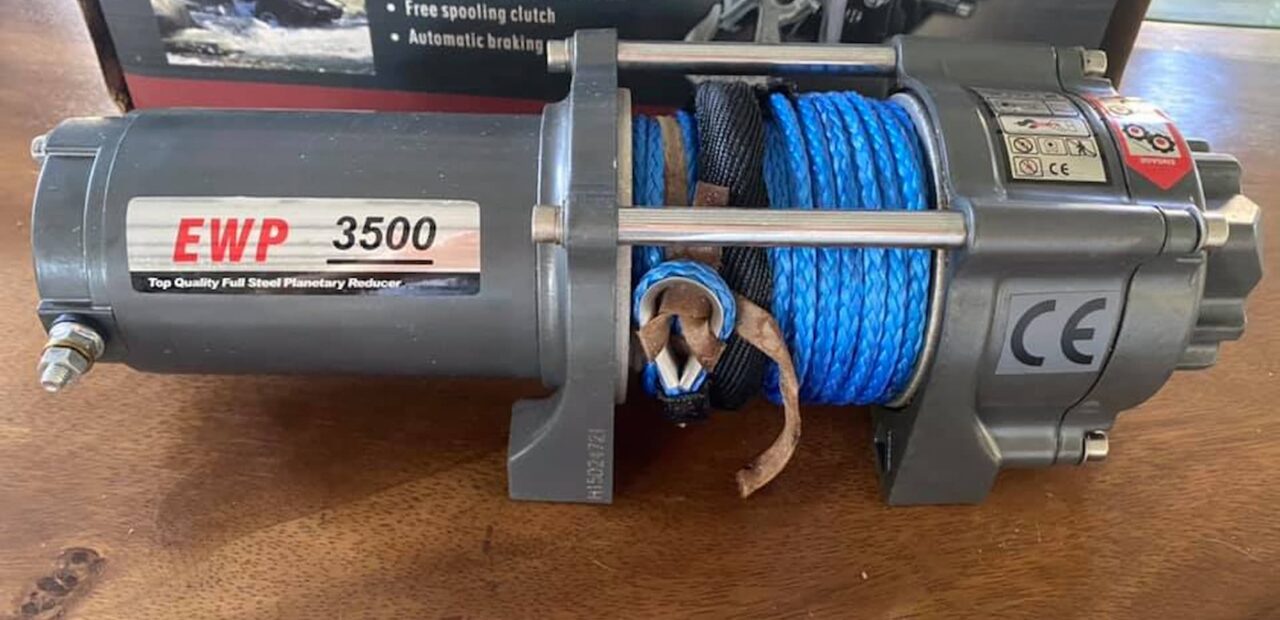
The cable is what does the heavy lifting. You’ll find two main types: steel cables and synthetic ropes. A steel cable is tough and durable, but it’s heavy and can develop sharp burrs rather easily. A synthetic rope is lighter, safer to handle and floats in water, but it’s more susceptible to abrasion and UV damage. A synthetic rope is popular for off-road winches, but steel cables are still a more common option for heavy-duty work.
Use
If you’re regularly tackling tough tracks or helping mates out of bogs, invest in a higher-capacity winch. No matter the task at hand, though, you should always make sure your winch is rated for at least 1.5X the weight of your loaded vehicle. This ensures you’ve got enough pulling power and a safe recovery.
Environment
Where you drive matters, as mud, sand, snow, and water crossings all put different demands on your winch. If you’re often in wet or muddy conditions, look for a winch with solid weatherproofing and a sealed motor. This helps keep water and grit out, so your winch stays operational when you need it most. Some off road winches are specifically designed for harsh Aussie conditions, so check their specs before buying.
Line Speed
The line speed of a winch is how quickly it can pull in the cable when under load. A faster line speed means you’ll spend less time being stuck, but a high speed line can also result in less pulling power. Some recovery winches offer variable speed controls that let you balance their speed and strength as needed.
Motor
The motor is the heart of your electric winch. Larger motors generally offer more pulling power and better durability, but they’ll also draw more current from your battery. Make sure your vehicle’s electrical system can handle the load, and consider upgrading your battery or alternator if needed.
Weatherproofing
A recovery winch that isn’t weatherproof won’t last long. Look for a 4×4 winch with sealed electrics and corrosion-resistant components. Water, mud, and dust can quickly damage a poorly sealed winch, so check for an adequate IP rating.
Mounting Location
Where you fit your winch matters for both performance and safety, with most recovery winches being mounted to the front of the vehicle. However, some allow you to mount them at the back. Make sure your bull bar or mounting plate is rated for the weight and force of the winch, though, since a secure mounting location is essential.
Accessories
There’s more to recovery than just the winch, as the accessories matter just as much. These include recovery straps, snatch blocks, gloves, dampers and remote controls, which make winching much safer and easier. Some winch kits do come with these extras, while others require you to purchase them separately.
Added Features
Modern recovery winches often come with handy features like wireless remotes, automatic brakes and overload protection. They can make the use safer and more convenient, especially when you’re working alone or in an awkward spot. When searching for one, make sure to go for a winch with features that match your needs.