Timeless Elegance: How to Choose a Wall Clock for Your Home
 by Jennah Marshall · Apr 14, 2025
New tech can change everyday items. They become stylish, vintage, and decorative. Take record players, rotary phones and typewriters, for example. With the newest Pinterest trends, clocks have now joined that list. This trend isn’t new if we remember that wall clocks became popular in the early to mid-2000s.
Yet, how we use them today goes beyond the farmhouse-chic aesthetic of the past. Clocks make fantastic decorative pieces. They’re functional and effortlessly blend into most interior design styles. Some of our top choices for time-themed décor include the living room, kitchen and entryway.
Contents
How to Choose a Wall Clock for a Home?
It’s important to think about its style, purpose and how well it fits into the space. Do you need it as a striking art piece or a necessary timekeeper? With the immense range of styles, materials, and designs available, you won’t be short on options. Think about your favourite style. Also, consider the material, sound and size. These factors will help you buy wall clocks you’ll use for years.
Material
The construction material of a clock is often a personal preference, but in certain spaces durability is key. In areas like bathrooms and kitchens, ensure your timepiece can withstand the environment. Kitchens work well with metal or glass since they’re easy to clean. In bathrooms, choose materials that resist steam and moisture.
Sound
Before you buy wall clocks, consider if a ticking or chiming clock will soothe you or annoy you. Some people find these sounds comforting, while others find them distracting. If you prefer silence, check the product specifications to ensure you’re choosing a noiseless model.
Size
Measure the wall space before buying a clock and treat it like an art piece. Wall clocks come in various sizes, typically ranging from 25 to 30 cm, with larger designs extending up to 75 cm. Smaller options work well as subtle accents, while larger clocks make a bold statement.
Tips for Styling Clocks as Décor
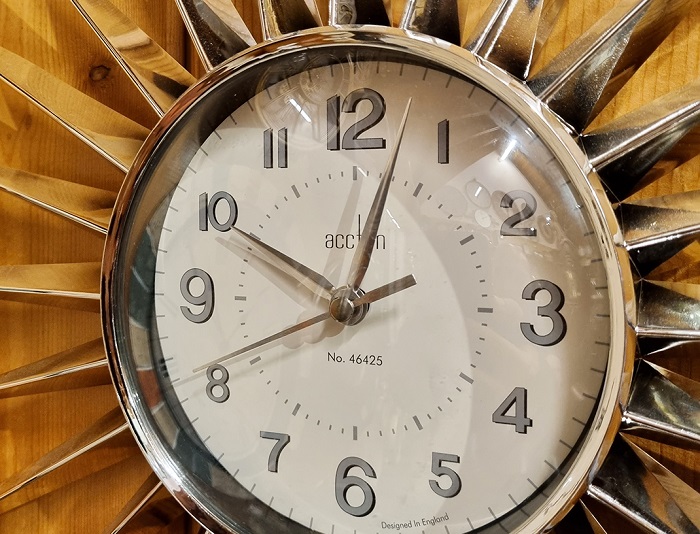
Scale Matters
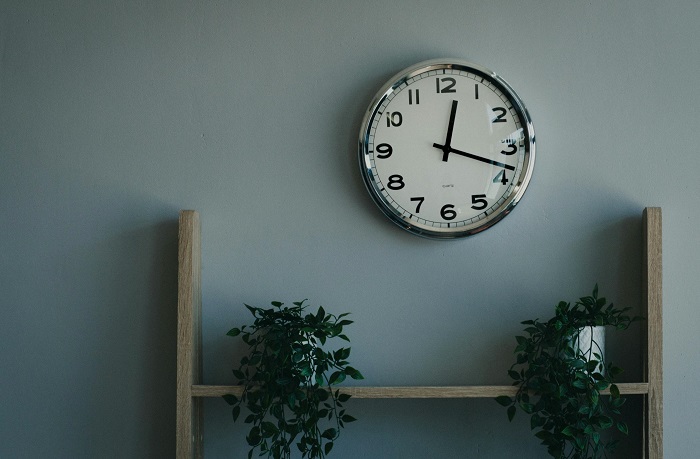
As with any interior design element, scale plays a crucial role in determining where to place a decorative timepiece. Ensure your wall clock is proportionate to the space. Consider the size of the wall and the surrounding décor to determine the right scale. Large clocks fit well on big walls. They fill the space nicely. Smaller clocks make great accents on shelves or bookcases. They’re particularly useful for filling empty spaces or large, bare walls.
But, in smaller rooms, selecting a clock that is too large can make the space feel cramped. Experts suggest that a small clock is ideal for a bedroom, where a calming atmosphere is desired. A bedside alarm clock is practical, but a large wall clock may have the opposite effect, making the room feel less serene. Smaller clocks make great decorations for bedside or side tables. Pair one with a framed photo, a small succulent and a stack of books to create a cohesive and functional arrangement.
Incorporate Clocks into Gallery Walls
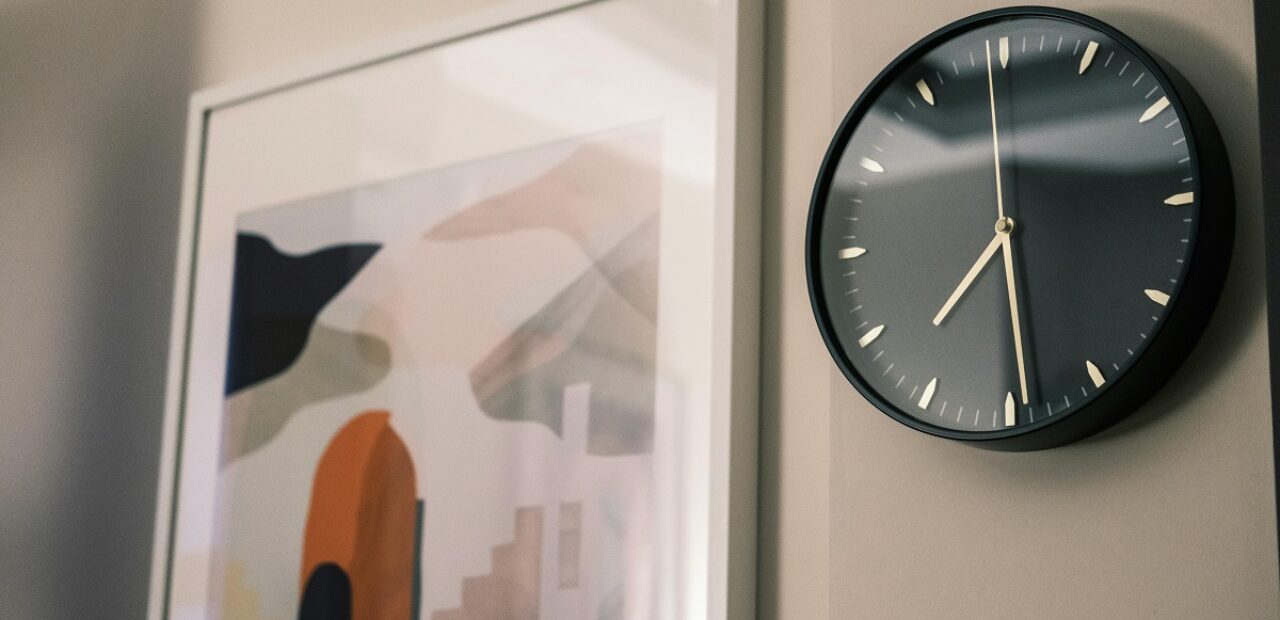
You can add smaller wall clocks to larger gallery wall displays with little effort. But, big statement clocks stand out and become the main focus of a room. They make a great addition to gallery walls, as their circular shape helps break up the straight lines of framed artwork.
Many clocks also come in organic or abstract shapes, adding depth and visual interest. When styling a gallery wall, consider the theme. You can either stick to a cohesive style for a harmonious look or mix and match different styles for an eclectic feel.
Mix and Match Thoughtfully
If you’re incorporating many clocks into one space, pay attention to their placement and scale. Don’t put clocks of the same size too close together. If you do, make sure they’re for an artistic display on a larger wall. Offices are great for having more than one clock. For example, you might have one on the wall and another on your desk. Also, consider the sound each clock makes. When you choose a clock, think about its sound. A ticking, chime, or cuckoo can be fun, but place it where it won’t disturb sleep or TV time.
Think Beyond the Walls
Although the first use we think of when hearing wall clocks is our walls (after all, they’re in the name), there are other ways we can use these classic timepieces. We can use frame stands and display them on a shelf or mantel. Although specialised clocks are available for these spaces, if a certain wall clock design catches your eye, then why not use it there.
When picturing a clock, most people imagine a wall-mounted or tabletop design. Yet, standing clocks offer another stylish alternative. Freestanding clocks can fit many interior styles, especially if you have extra floor space. They work particularly well in entryways, adding a sense of grandeur. A tall floor clock positioned near an ornate staircase in an entry hall, for instance, enhances the room’s aesthetic and presence.