Car Batteries: Core Features, Types and Buying Considerations
 by Thomas Jackon · Jun 4, 2025
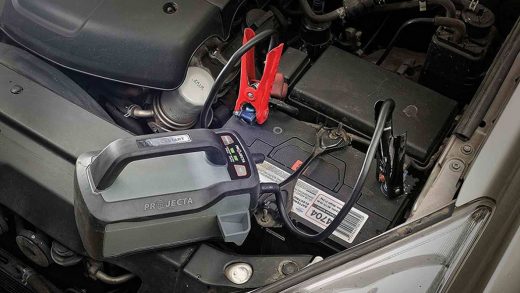
Hard starts, electrical issues, dimming lights and the dreaded clicking sound when turning the ignition key are just a few signs of a depleted battery. And it’s an issue that has caught many drivers off guard. This is more than an inconvenience at a bad time. Bad, swollen or corroding batteries are a safety hazard, the cause for serious engine damage, and a high repair bill that many drivers find hard to swallow.
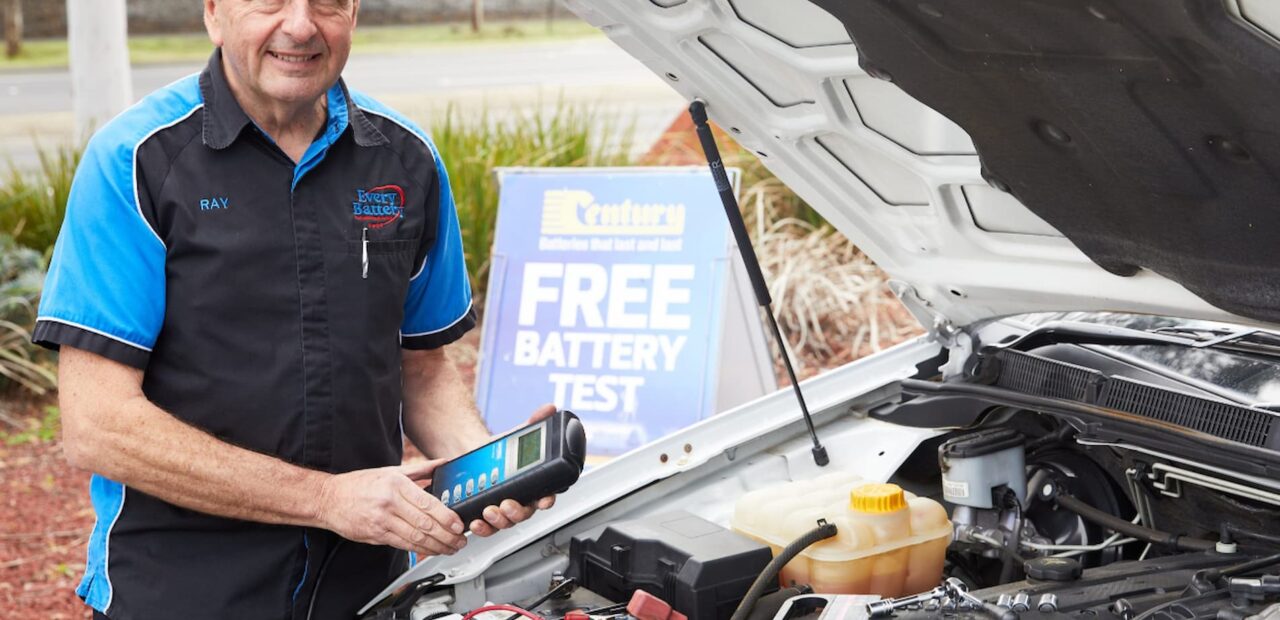
To avoid being stranded in the middle of nowhere or risking an accident because of faulty headlights, regular car battery maintenance and checkups go a long way. This, after all, is the car part that supplies the engine with the initial burst of high current to turn the engine over, and allows basic parts like the stereo, windows and wipers to work even before turning the key.
A more significant role, though, is that the battery works alongside the alternator and other charging system parts in maintaining the needed voltage, for instance, when powering the AC and other power-hungry components. If the alternator can’t keep up with power requirements, the battery steps in as a power reserve and ensures everything works as it should. That’s why you need a top-notch car battery to begin with.
Contents
Common Signs You Need a Replacement
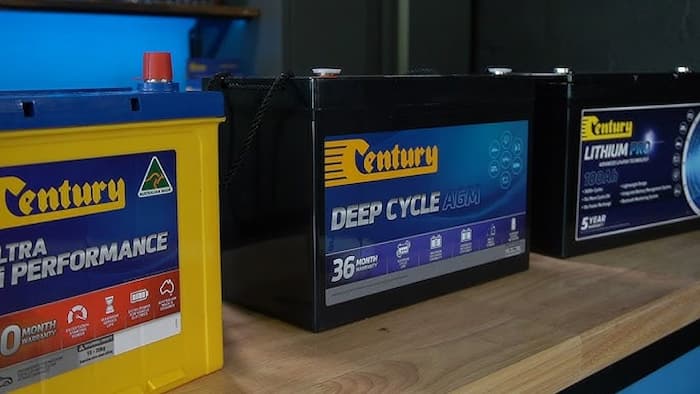
Car batteries consist of multiple cells of lead plates immersed in an electrolyte solution of sulfuric acid and water. When a chemical reaction occurs between the electrolyte and the lead plates, the battery produces power or an electrical current. The parts are enclosed in a case, featuring a positive and negative terminal connecting the car’s electrical components. Wear and damage in one or more battery parts manifests as telltale warning signs that you need a working replacement:
- Slow cranking and hard starts – A slow-turning crank is a sign that the battery is nearing its expiration date. The engine takes longer to turn over, or may not start at all.
- Clicking sounds during ignition – Clicking sounds point to a bad starter motor or alternator, but more often to a bad battery.
- Swollen or warped battery case – A gassing battery, usually from frequent overcharging (and faulty alternators), causes buildup and swelling. Batteries can also leak and spill corrosive liquids, potentially damaging nearby engine parts.
- Corroded terminals – Built-up acid on the terminals (recognisable by a green, blue or white powder) often indicates corrosion, resulting in insufficient voltage and that the battery isn’t charging properly.
- Dimming lights – Headlights, indicators, and interior lighting may appear dimmer than usual, again due to low voltage.
- Faulty car electrics – Expect erratic behaviour with windows, wipers, the stereo, or even safety systems such as autonomous braking and cruise control.
- Rough idling – Cars with multiple sensors can experience rough idling on startup, signalling low battery voltage to run all monitoring systems and controls.
The clear giveaway is a low-voltage warning light on the dashboard. Usually, this is due to a depleted battery or that charging system parts (particularly the alternator) are at fault. Besides insufficient charging during shorter trips, or cars garaged for longer periods, batteries die due to exposure to temperature extremes, overcharging, faulty connections, excessive power draw and general wear and tear. Most car batteries last between 3 and 5 years, but where and how you drive, committing to maintenance, and the type and size of battery have a big say in longevity.
Key Buying Considerations
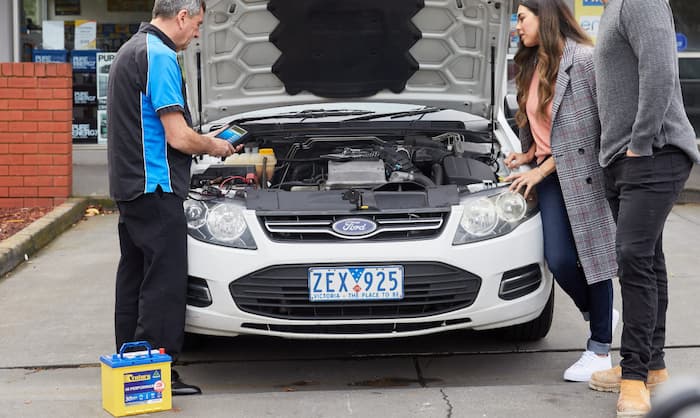
When setting out to buy car batteries, consider several key purchasing factors.
Type
Standard wet cell and absorbent glass mat (AGM) are the two major types seen in cars today. Both are types of lead-acid battery. The first are also called flooded, or Starting, Lighting, Ignition (SLI) batteries, with integrated vents to reduce gassing and removable caps for adding distilled water.
AGM variants differ in design in that they are completely sealed, won’t gas or leak, and have longer lifespans. They can also hold a charge for longer, and are better suited to cars with high power draw. Other car battery types include lithium batteries, usually found in hybrid cars, and Enhanced Flooded Batteries (EFB) in vehicles with start/stop systems.
Group Size
This is the length, width and height of the battery to ensure it physically fits in the battery compartment. While most vehicles can accommodate batteries of different sizes, buy car batteries according to the vehicle manufacturer’s group size.
Cold Cranking Amps (CCA)
This is how much current the battery can deliver at 0 degrees Celsius for 30 seconds. Recommended ranges are between 320 to 500 CCA for most cars, but are dependent on specifics like engine displacement and overall power output.
Reserve Capacity (RC)
This is the battery’s ability to charge vital engine and vehicle electrics in the event the alternator dies. Decent RC values are 140 minutes and up.
Manufacture Date and Warranties
Lead-acid batteries start decaying the day they’re produced. Look for units no older than six months. Dates are either etched on the casing or come as a sticker, usually in a month/year format. Lastly, to prevent any issues, also consider warranties. These are between 12 and 36 months.