4 Types of Body Kits to Take Your Car to the Next Level
 by Thomas Jackon · Feb 9, 2026
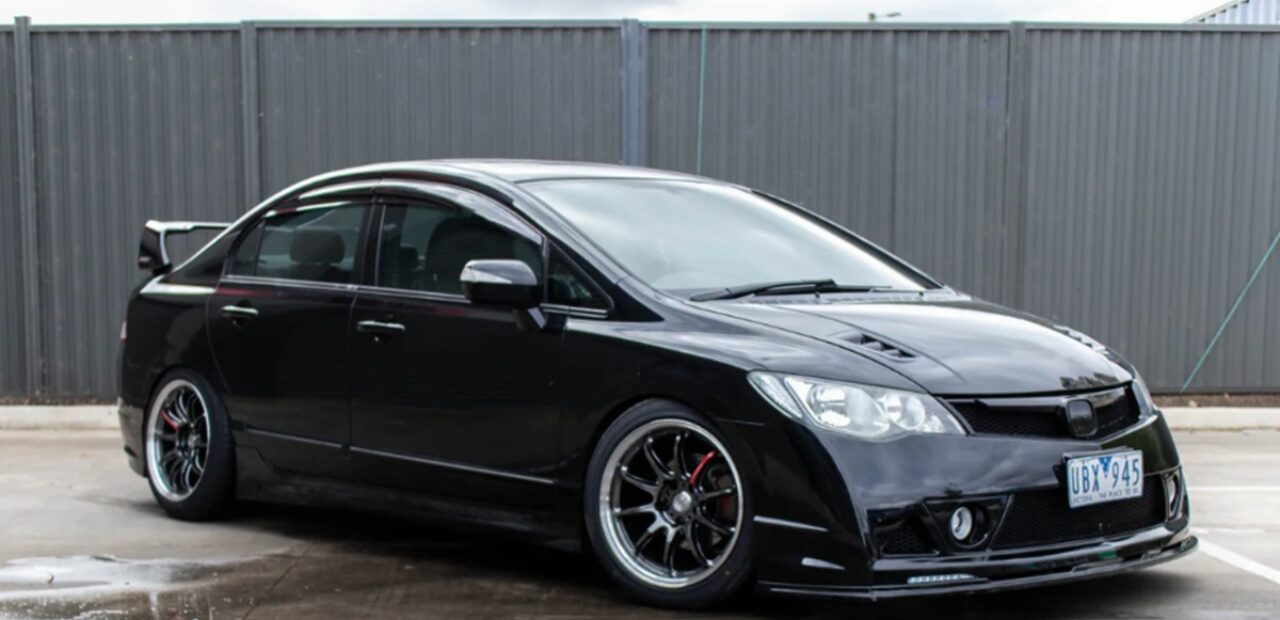
Upgrading your car’s look and performance can be one of the most rewarding projects for any car enthusiast. A body kit is one of the first things that comes to mind when you want to give your vehicle a standout appearance and improved aerodynamics.
These custom parts can help reduce drag, increase stability at higher speeds and make your car look sharper and sportier. While they might not come standard from the factory, adding the right exterior trim pieces can instantly take it from stock to street-ready style. Whether you want subtle accents or a complete transformation, there’s a wide range of body kits to suit every taste and budget.
Contents
Types of Body Kits

Lip Kits
Lip kits are the simplest form of exterior upgrades and often the easiest to install. They include small extensions fitted to the edges of your front and rear bumpers or side skirts. They work by giving your car a lower stance, improving aerodynamics and making the design more grounded. Because they’re lightweight and easy to attach, lip body kits are ideal for beginners who want a quick visual boost without major modification.
Bumper Kits
A bumper kit replaces the front and/or rear bumpers with specially designed units made for a bold and performance-focused look. These are perfect if your stock bumpers are damaged, outdated or just don’t have the sporty edge you’re after. Bumper kits can improve airflow to the engine and brakes while also reshaping your car’s character. Many performance cars use this type of upgrade to stand out on the streets and track.
Wide-Body Kits
A wide-body kit is for those who want to make a bold statement. They extend the car’s fenders outward, allowing for wider tyres and improved handling. Beyond looks, the increased width provides more stability at speed, which is why you’ll often see wide-body styles on racing or drift builds. Installing one generally involves cutting or modifying your existing panels, so it’s recommended for experienced builders or professional workshops.
Full Kits
A full kit includes everything, such as front and rear bumpers, side skirts and usually a spoiler or diffuser. This option gives your car a completely unified design, offering the most dramatic transformation. Full car body kits are perfect for enthusiasts who want to try an entirely new style or mimic the appearance of a high-performance model. It’s the best way to create that show-car look while improving the car’s aerodynamics and balance.
Body Kit Materials
Polyurethane
Polyurethane is one of the most common materials. It’s flexible, impact-resistant and easy to work with. This makes it perfect for daily drivers since it can handle bumps and scrapes better than stiffer options. PU kits also tend to fit better because of their flexibility, though they can be slightly heavier.
Fibreglass
Fibreglass kits have been around for decades and are still one of the most popular options thanks to their affordability. They’re lightweight and easy to paint, though they can crack under heavy stress. Because of their rigidity, fibreglass kits often need a skilled installer to ensure a precise fit. However, when installed properly, they can look fantastic and are a common pick for project cars.
Carbon Fibre
Known for being ultra-light and extremely strong, carbon fibre is the premium choice among car body kits. It offers a sleek, race-inspired look that reduces weight while improving performance. The downside is the higher price tag, but its combination of style and strength makes it worth it for serious enthusiasts. The carbon weave look is often left exposed and clear-coated to highlight its craftsmanship.
Composite
Composite kits combine different fibres, such as fibreglass with carbon or Kevlar reinforcements. This blend improves strength while keeping costs lower than full carbon fibre kits. Composites offer a balance between performance and practicality, providing improved durability without a major price increase. They’re becoming increasingly popular thanks to modern manufacturing techniques.
Installing a Body Kit

1. Start by cleaning the car thoroughly and removing any old car parts or trim that will be replaced. Make sure you have all the pieces ready before you begin. Place each piece on the car to check for fitment and gaps. Minor sanding or trimming may be needed for a seamless look.
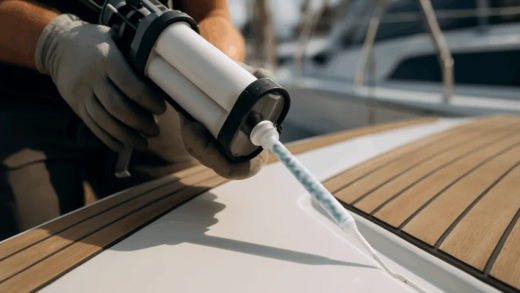
2. Once satisfied with the fit, mark all mounting points carefully. Use screws, bolts or factory clips, depending on design. Some kits may need extra brackets for stability. Check that all joints are secure and aligned. For fibreglass or composite kits, use sealants where necessary to prevent water damage.
3. Sand and prime the surfaces before applying paint. Always paint before final installation to avoid overspray. Once everything is dry, reinstall all pieces and inspect alignment. A quick polish can add the final touch for a professional look.
Final Words
Adding a body kit is one of the most effective ways to personalise your car and bring out its potential. The right setup not only changes how your car looks but also how it feels on the road. Choose wisely, take your time with installation and your car will stand out anywhere it goes.