Paint Removers 101: Types, Uses, and Safety Tips
 by Thomas Jackon · Nov 11, 2026
Choosing the right paint remover can mean the difference between a seamless restoration project and a ruined surface. Whether you’re removing aged oil-based gloss from outdoor furniture, peeling paint in wooden doors or flaking weatherboard coats, the key to success ultimately lies in paint and varnish removers that match both the coating type and the material.
Contents
Paint Remover Basics
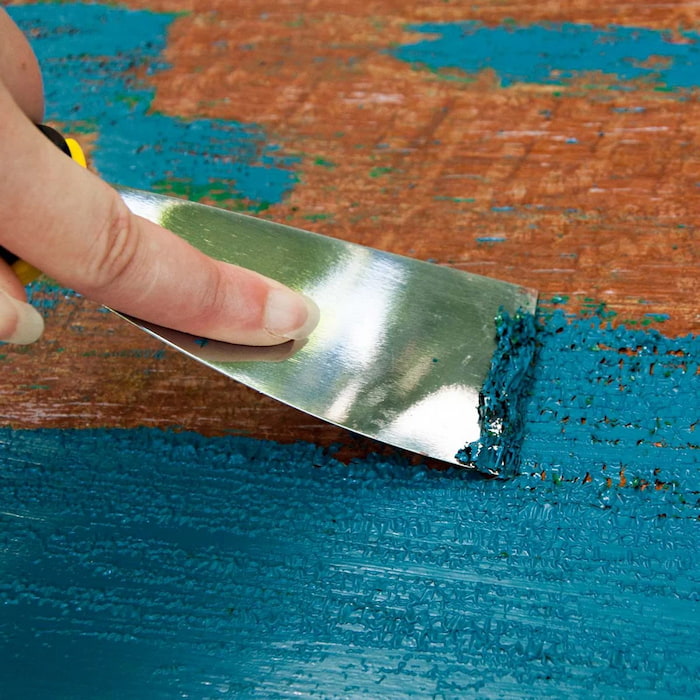
At its core, a paint remover (also called a paint stripper) is a chemical product designed to soften, break down, and lift old paint, varnish, enamel, or other coatings from surfaces like wood, metal, masonry, and plastic. There are four main types:
Solvent-Based Paint Removers
Solvent-based paint removers are chemical formulations containing strong organic solvents—such as methylene chloride, acetone, toluene, or benzyl alcohol—that penetrate and swell paint layers to break their molecular bonds to the substrate. They are fast acting, effective on thicker oil-based paints, varnishes and epoxies and leave surfaces with a clean, smooth finish. While effective on most hard and softwoods, metals and concrete, they require careful application due to their high levels of volatile compounds (VOCs) and toxic fumes.
Biochemical Removers
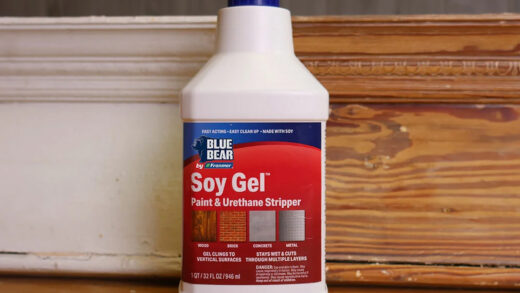
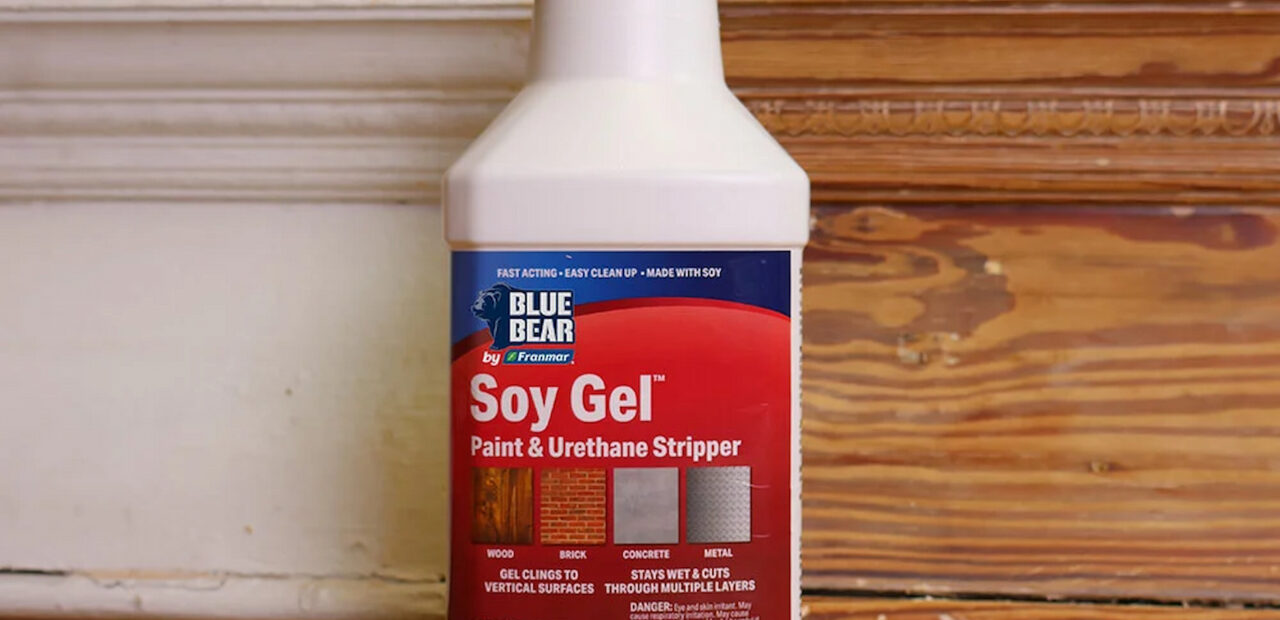
These are eco-friendlyremovers paint-based, primarily safer, plant-based or alternative solvents like citrus terpenes (orange oil) or soy methylate (soybean oil). They break down the resins in the paint over an extended period (between 4 and 24 hours), but benefit from low or zero VOCs, leaving a pleasant scent, and are gentle on most woods.
Caustic/Alkaline Paint Strippers
Caustic paint removers rely on highly alkaline ingredients, usually sodium hydroxide (lye) or potassium hydroxide, to turn the oil components in paint into soap in a process called saponification. They are very effective on oil-based paints used on masonry, metals or hardwoods like jarrah, ironbark and bull oak, but require a neutralising wash (usually a mild acid) after use to prevent substrate damage.
Alcohol-Based
Alcohol-based removers paint typically rely on solvents like isopropyl alcohol or methanol. They work by quickly dissolving the resin or binder holding the paint pigments together, making it easy to wipe or scrape away. They evaporate quickly, leaving no residue, leave softer wood grains unaffected (unlike water mixtures) and are widely available and inexpensive, particularly for spot cleaning. However, keep them away from flames and heat sources due to their high flammability and apply in open, ventilated areas with masks.
Which Paint Remover Best Suits My Needs?
Using the wrong paint remover can permanently dissolve plastics, warp wood, or corrode metal. To avoid damage, pair the correct remover with the right substrate. For wood, consider dissolved solvent-based (non- Methylene Chloride) or biochemical paint strippers. Biochemical removers condition dried-out and antique wood and stay wet for longer to cut through multiple layers. If tied for time, consider fast-acting solvents to soften and break up old coatings, without penetrating deeper into the grain.
Solvent-based removers are highly effective on metals because they dissolve paint for easy scraping without warping, staining, or damaging the underlying surface. Formulations containing heavy-duty organic solvents or active ingredients such as methylene chloride quickly cut through automotive paints, epoxies, and multi-layer coatings. However, thicker industrial coatings may require multiple applications, and iron or steel surfaces often need a post-stripping degreaser to remove residue. Finally, always avoid strong caustic solvents on softer metals like aluminium and copper, as they can cause severe corrosion.
When removing paint from consumer-grade and industrial plastics, choose pH-neutral biochemical or alcohol-based strippers to prevent surface damage. Specifically, use biodegradable paint removers for common, sturdy plastics like ABS, PVC, and Plexiglass, and opt for mild isopropyl (rubbing) alcohol for delicate plastic models, miniatures, or thin parts. Conversely, always avoid harsh solvents like acetone and lacquer thinner. These strong chemicals can permanently soften, warp, or entirely melt even hard thermoplastics.
Applying Paint Remover: A Step-By-Step Guide
Applying paint remover requires proper preparation, a thick and even coat, and careful scraping to strip old finishes safely.
Step 1: Preparation
Ensure safety by opening windows for cross-ventilation, wearing protective gear, organic vapour respirators and heavy-duty gloves, and covering surrounding areas with thick plastic sheeting to prevent the chemicals from eating through standard drop cloths.
Step 2: Application
Apply a thick, even layer in a single direction with a natural-bristle brush without brushing it back and forth. For stubborn coatings or slow-acting products, cover the paste with plastic wrap to trap moisture, prevent evaporation, and allow the active ingredients to penetrate deeper.
Step 3: Dwell Time
Allow the remover to sit for the manufacturer’s recommended time, usually 5 to 30 minutes, or longer for heavy or oil-based layers, and watch for the paint to wrinkle, bubble, or lift away from the surface.
Step 4: Scraping and Removal
To remove paint effectively, first scrape a small test patch to ensure the remover has reached the bare substrate surface. Use plastic scrapers on soft wood surfaces to avoid gouging, and metal putty knives for tougher iron or steel. For intricate carvings and tight corners, use tools like wire brushes, steel wool, or coarse dental picks.
Step 5: Neutralisation and Clean-up
Prepping surfaces for a new finish requires wiping away any chemical residue with a manufacturer-approved neutraliser. Once the surface is completely dry, give it a final light sanding to ensure the new paint or coating adheres properly.