What to Consider When Choosing a Boat Barbecue
 by Thomas Jackon · Oct 5, 2026
Cooking alfresco is a great way to spend time outdoors with your boat, but choosing the right equipment takes a little more thought than picking a BBQ for your backyard. Space is limited, conditions can change quickly, and your gear needs to cope with a marine environment.
Gas is a popular option because propane is relatively easy to store, quick to light and convenient when you’re ready to cook. Charcoal is another possibility if you’d rather avoid carrying gas, although you’ll need to think about ash and cleaning afterwards.
Mounting and safe placement are just as important. Read on to learn about these factors, along with brand, size, materials, and maintenance to help you make a practical choice.
Contents
Brand Reputation
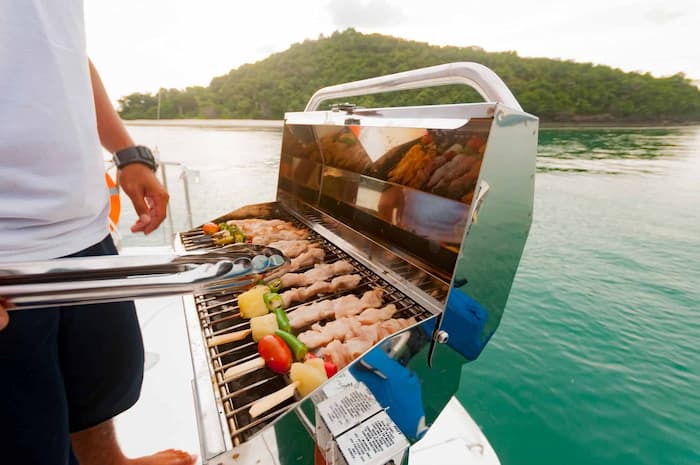
Established manufacturers often have experience designing products for marine environments, where exposure to salt, moisture and changing weather can put equipment through its paces. Consider marine barbecues from top brands such as Magma and Kuuma. These names offer a range of products designed specifically for use on boats.
Looking at established brands can give you a useful starting point when comparing construction, mounting options, features and available sizes. That doesn’t mean you need to choose a particular manufacturer simply because it’s familiar. Take a closer look at the individual model and make sure its specifications suit your boat, cooking needs, and available space.
Fuel Type
The fuel you choose can affect everything from cooking time to storage and cleanup, so think about how you’ll use the grill. What fuel is best for a barbecue?
- Propane: This type of boat BBQ is a convenient all-round option. It’s quick to light and provides consistent heat, even when you’re cooking outdoors in breezy conditions. It’s particularly practical for regular use, although you’ll need to store fuel safely.
- Charcoal: A good choice if you prefer traditional smoky flavours or simply don’t want to carry gas. The downside is the extra ash and cleaning involved after cooking.
- Electric: Useful when you’re usually close to a dock with reliable mains power. There’s no flame or fuel to manage, but you’ll need a suitable power source, such as shore power or a generator.
For many enthusiasts, propane offers the easiest balance of convenience and performance. However, your boat, available power, and personal preferences should ultimately guide your decision.
Size
Think about how many people you normally cook for rather than planning around the biggest gathering you might have. Compact marine barbecues are adequate for a couple or small crew, while a larger cooking surface makes more sense if you’re regularly feeding family or friends. Remember that extra cooking space also means that you’ll need more space for mounting, storage, and safe clearance around the grill. If space on board is limited, a quick-release mounting system can be particularly handy.
Stainless Steel Type
Saltwater can be tough on boat barbecues, so the material deserves some attention. Stainless steel is a popular choice for marine use because it offers good resistance to corrosion and can cope better with salty, damp conditions than many standard finishes. When comparing models, look for:
- 304 stainless steel: Often used for marine grills and a practical choice for regular use around saltwater.
- Higher-grade stainless steel: May offer additional corrosion resistance in particularly harsh marine environments.
- Marine-grade construction: Check that the bowl, lid, hardware, and mounting components are made from materials suited to life on the water.
Whichever model you choose, rinse it with fresh water after use and keep it covered to maintain its condition.
Safety Considerations
Leave plenty of space between the grill and anything that could be damaged or catch fire, including canvas, cushions, wood and other fittings. A stern or rail mount that positions the cooking area away from the boat can be a practical solution. Make sure the fuel connection is secure and never leave a lit grill unattended. Keep a suitable fire extinguisher or fire blanket nearby as a precaution.
If you’re using a propane boat barbecue, a few simple precautions can make cooking much safer. Store spare canisters upright in a suitable ventilated space, away from heat and living areas. Before lighting the grill, check the hose and connections for signs of leakage. Turn the gas off at the cylinder when you’ve finished cooking rather than relying only on the controls.
Practical Accessories
A few well-chosen extras can make cooking on a boat barbecue much more convenient. A fitted cover helps protect the grill from salt spray and dirt between trips, while a grease tray catches drips and makes cleaning easier. If you enjoy cooking different types of food, a griddle or alternative cooking surface can give you more flexibility. A thermometer can also be useful for keeping an eye on temperatures, particularly when you’re cooking outdoors in windy conditions. Keep a few basic spares on board too, such as an extra fuel canister or replacement ignition components, so a small problem doesn’t put an end to your plans.